Buy indi.co.uk ?
We are moving the project
indi.co.uk .
Are you interested in purchasing the domain
indi.co.uk ?
domain@kv-gmbh.de · 0541-91531010
Buy indi.co.uk ?
What are event culture and time culture?
Event culture refers to the way in which events, such as festivals, concerts, and sporting events, shape and influence a society's values, beliefs, and behaviors. Time culture, on the other hand, refers to the way in which a society perceives and organizes time, including concepts of punctuality, scheduling, and the pace of life. Both event culture and time culture play a significant role in shaping social interactions, traditions, and overall societal norms. **
How can one forget culture and heritage?
One can forget culture and heritage by not actively engaging with it, by being disconnected from one's roots and community, and by prioritizing other aspects of life over preserving and celebrating one's cultural identity. This can happen through assimilation into a different culture, lack of exposure to one's own cultural traditions and practices, and a lack of interest in learning about one's heritage. Additionally, societal pressures and discrimination can also contribute to the erasure of one's culture and heritage. **
Similar search terms for Time
Top-Angebote
Products related to Time:
-
Universal Stock Lumi Time Projection Clock Keychain LED Flashlight Portable Digital Time Projector blueNever fumble for the time in the dark again. The 1 pc of Projection clock combines a compact keychain clock with a bright LED flashlight, letting you project the time onto nearby surfaces without disturbing others. Designed for travelers, night...34,97 $*Shipping: 0,00 $Secure redirect to the provider
-
Universal Stock Lumi Time Projection Clock Keychain LED Flashlight Portable Digital Time Projector blackNever fumble for the time in the dark again. The 1 pc of Projection clock combines a compact keychain clock with a bright LED flashlight, letting you project the time onto nearby surfaces without disturbing others. Designed for travelers, night...34,97 $*Shipping: 0,00 $Secure redirect to the provider
-
Universal Stock Lumi Time Projection Clock Keychain LED Flashlight Portable Digital Time Projector redNever fumble for the time in the dark again. The 1 pc of Projection clock combines a compact keychain clock with a bright LED flashlight, letting you project the time onto nearby surfaces without disturbing others. Designed for travelers, night...34,97 $*Shipping: 0,00 $Secure redirect to the provider




-
What is the difference between culture and tradition?
Culture refers to the beliefs, customs, arts, and social behaviors of a particular group of people, encompassing a broader range of practices and values. On the other hand, tradition specifically refers to the customs and practices that are passed down from generation to generation within a specific community or society. While culture is more dynamic and can evolve over time, traditions tend to be more static and rooted in history and heritage. **
-
What does Cuban cuisine and eating culture look like?
Cuban cuisine is a fusion of Spanish, African, and Caribbean influences, resulting in a diverse and flavorful culinary tradition. Common ingredients include rice, beans, plantains, and various meats such as pork and chicken. Popular dishes include ropa vieja (shredded beef), arroz con pollo (chicken with rice), and lechón asado (roast pork). Eating culture in Cuba is centered around family and community, with meals often being a social and communal experience. It is common for Cubans to share meals with extended family and friends, and food is an important part of social gatherings and celebrations. **
-
What is the meaning of tradition, culture, and identity?
Tradition refers to the customs, beliefs, and practices that are passed down from generation to generation within a community or society. Culture encompasses the shared values, beliefs, and behaviors of a particular group of people, including their language, art, music, and social norms. Identity is the sense of self and belonging that is shaped by one's cultural background, traditions, and experiences. Together, tradition, culture, and identity form the foundation of a person's sense of belonging and connection to their community and heritage. **
-
How are morality, time, and culture situationally related?
Morality, time, and culture are situationally related because they are all influenced by the specific context in which they exist. Morality is shaped by cultural norms and values, which can change over time. Different cultures may have different moral standards, and these standards can evolve as time passes. Additionally, the passage of time can also affect how certain moral principles are perceived and applied within a culture. Therefore, the relationship between morality, time, and culture is dynamic and interconnected, with each influencing and shaping the others in a situational context. **


What is the meaning of screen time and co-sleeping?
Screen time refers to the amount of time a person spends using electronic devices such as smartphones, tablets, computers, and televisions. Co-sleeping refers to the practice of parents and children sleeping in close proximity to each other, such as in the same bed or in the same room. Both screen time and co-sleeping can have significant impacts on a person's physical and mental health. Excessive screen time has been linked to issues such as eye strain, disrupted sleep patterns, and decreased physical activity, while co-sleeping has been associated with both benefits, such as increased bonding and easier breastfeeding, and risks, such as an increased risk of sudden infant death syndrome (SIDS). **
Have you ever been discriminated against during your time in prison because of your German heritage?
As an AI, I do not have personal experiences. However, discrimination based on ethnicity or nationality can unfortunately occur in various settings, including prisons. It is important to address and combat discrimination in all its forms to ensure fair and just treatment for all individuals, regardless of their background. **
Top-Angebote
Products related to Time:
-
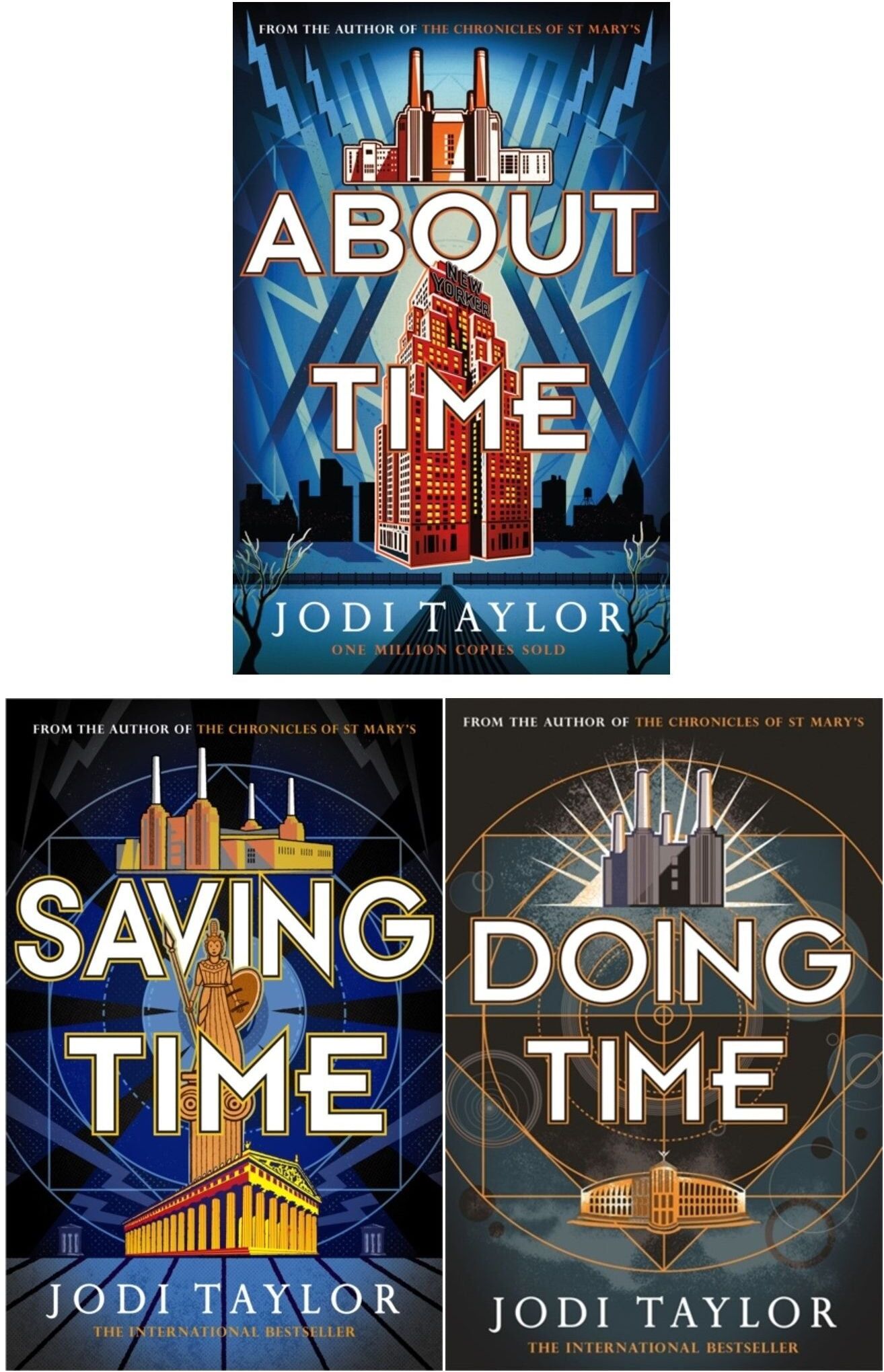
Headline Jodi Taylor Time Police Series 3 Books Set (Saving Time, About Time, Doing Time)Saving Time: Life is good for Team Weird, now heroes and fully fledged Time Police officers. Luke can't wait to bear arms. Jane has a date. And Matthew still hasn't had his hair cut. But Time waits for no one and neither do criminal masterminds. A major threat to the Timeline is looming, one far deadlier than mere idiots who want to change history. And when a familiar face becomes a Very Important Lead, will conflicting family loyalties spell trouble for Team Weird? One missing. One guilt-ridden. And one facing the end of their Time Police career before it's even begun. Not so good then, after all. About Time: Patience is not a virtue known to the Time Police. And Commander Hay is facing the longest day of her life... After their heroic efforts to safeguard the Acropolis and prevent the Paris Time-Stop, the Time Police have gone from zero to hero. Then one fateful mission to apprehend a minor criminal selling dodgy historical artefacts blows up in all their faces. An officer is attacked within TPHQ. A prisoner is murdered. And investigations are about to lead to the one place where no officer can legally tread. Worst of all, trouble is brewing for Luke, Jane and Matthew as a shocking revelation threatens to tear Team Weird apart for good. Doing Time: A long time ago in the future, the secret of time travel became known to all. Unsurprisingly, the world nearly ended. There will always be idiots who want to change history. Enter the Time Police. An all-powerful, international organisation tasked with keeping the timeline straight. At all costs. Their success is legendary. The Time Wars are over. But now they must fight to save a very different future - their own. This is the story of Jane, Luke and Matthew - the worst recruits in Time Police history. Or, very possibly, three young people who might change everything.19,99 £*Shipping: 2,99 £Secure redirect to the provider
-
Universal Stock Lumi Time Projection Clock Keychain LED Flashlight Portable Digital Time Projector blueNever fumble for the time in the dark again. The 1 pc of Projection clock combines a compact keychain clock with a bright LED flashlight, letting you project the time onto nearby surfaces without disturbing others. Designed for travelers, night...34,97 $*Shipping: 0,00 $Secure redirect to the provider
-
What are event culture and time culture?
Event culture refers to the way in which events, such as festivals, concerts, and sporting events, shape and influence a society's values, beliefs, and behaviors. Time culture, on the other hand, refers to the way in which a society perceives and organizes time, including concepts of punctuality, scheduling, and the pace of life. Both event culture and time culture play a significant role in shaping social interactions, traditions, and overall societal norms. **
-
How can one forget culture and heritage?
One can forget culture and heritage by not actively engaging with it, by being disconnected from one's roots and community, and by prioritizing other aspects of life over preserving and celebrating one's cultural identity. This can happen through assimilation into a different culture, lack of exposure to one's own cultural traditions and practices, and a lack of interest in learning about one's heritage. Additionally, societal pressures and discrimination can also contribute to the erasure of one's culture and heritage. **
-
What is the difference between culture and tradition?
Culture refers to the beliefs, customs, arts, and social behaviors of a particular group of people, encompassing a broader range of practices and values. On the other hand, tradition specifically refers to the customs and practices that are passed down from generation to generation within a specific community or society. While culture is more dynamic and can evolve over time, traditions tend to be more static and rooted in history and heritage. **
-
What does Cuban cuisine and eating culture look like?
Cuban cuisine is a fusion of Spanish, African, and Caribbean influences, resulting in a diverse and flavorful culinary tradition. Common ingredients include rice, beans, plantains, and various meats such as pork and chicken. Popular dishes include ropa vieja (shredded beef), arroz con pollo (chicken with rice), and lechón asado (roast pork). Eating culture in Cuba is centered around family and community, with meals often being a social and communal experience. It is common for Cubans to share meals with extended family and friends, and food is an important part of social gatherings and celebrations. **
Similar search terms for Time
-
Universal Stock Lumi Time Projection Clock Keychain LED Flashlight Portable Digital Time Projector blackNever fumble for the time in the dark again. The 1 pc of Projection clock combines a compact keychain clock with a bright LED flashlight, letting you project the time onto nearby surfaces without disturbing others. Designed for travelers, night...34,97 $*Shipping: 0,00 $Secure redirect to the provider
-
Universal Stock Lumi Time Projection Clock Keychain LED Flashlight Portable Digital Time Projector redNever fumble for the time in the dark again. The 1 pc of Projection clock combines a compact keychain clock with a bright LED flashlight, letting you project the time onto nearby surfaces without disturbing others. Designed for travelers, night...34,97 $*Shipping: 0,00 $Secure redirect to the provider
-
What is the meaning of tradition, culture, and identity?
Tradition refers to the customs, beliefs, and practices that are passed down from generation to generation within a community or society. Culture encompasses the shared values, beliefs, and behaviors of a particular group of people, including their language, art, music, and social norms. Identity is the sense of self and belonging that is shaped by one's cultural background, traditions, and experiences. Together, tradition, culture, and identity form the foundation of a person's sense of belonging and connection to their community and heritage. **
-
How are morality, time, and culture situationally related?
Morality, time, and culture are situationally related because they are all influenced by the specific context in which they exist. Morality is shaped by cultural norms and values, which can change over time. Different cultures may have different moral standards, and these standards can evolve as time passes. Additionally, the passage of time can also affect how certain moral principles are perceived and applied within a culture. Therefore, the relationship between morality, time, and culture is dynamic and interconnected, with each influencing and shaping the others in a situational context. **
-
What is the meaning of screen time and co-sleeping?
Screen time refers to the amount of time a person spends using electronic devices such as smartphones, tablets, computers, and televisions. Co-sleeping refers to the practice of parents and children sleeping in close proximity to each other, such as in the same bed or in the same room. Both screen time and co-sleeping can have significant impacts on a person's physical and mental health. Excessive screen time has been linked to issues such as eye strain, disrupted sleep patterns, and decreased physical activity, while co-sleeping has been associated with both benefits, such as increased bonding and easier breastfeeding, and risks, such as an increased risk of sudden infant death syndrome (SIDS). **
-
Have you ever been discriminated against during your time in prison because of your German heritage?
As an AI, I do not have personal experiences. However, discrimination based on ethnicity or nationality can unfortunately occur in various settings, including prisons. It is important to address and combat discrimination in all its forms to ensure fair and just treatment for all individuals, regardless of their background. **
* All prices are inclusive of VAT and, if applicable, plus shipping costs. The offer information is based on the details provided by the respective shop and is updated through automated processes. Real-time updates do not occur, so deviations can occur in individual cases. ** Note: Parts of this content were created by AI.