Buy indi.co.uk ?
We are moving the project
indi.co.uk .
Are you interested in purchasing the domain
indi.co.uk ?
domain@kv-gmbh.de · 0541-91531010
Buy indi.co.uk ?
Do shamans have a sense of tradition?
Yes, shamans typically have a strong sense of tradition. Shamanism is an ancient practice that has been passed down through generations, and shamans often adhere to traditional rituals, ceremonies, and beliefs. They may also have specific lineages or cultural backgrounds that influence their shamanic practices, and they often work within the framework of traditional spiritual and healing practices. Additionally, many shamans receive training and guidance from experienced practitioners in order to learn and uphold the traditions of their particular shamanic path. **
Are curanderos shamans?
Curanderos and shamans are both traditional healers, but they come from different cultural backgrounds. Curanderos are traditional healers from Latin American cultures, particularly Mexico and Central America, who use a combination of herbal remedies, spiritual rituals, and energy work to heal their patients. Shamans, on the other hand, come from indigenous cultures around the world, including Native American, Siberian, and African traditions, and also use spiritual rituals and energy work to heal. While there are some similarities in their practices, curanderos and shamans are distinct in their cultural origins and specific healing techniques. **


Similar search terms for Shamans
Top-Angebote
Products related to Shamans:
-
Novica Handmade Tradition Of The Heart Basalt BowlPrepare herbs, spices and sauces the way our ancestors did--with handmade stone tools. The Comonfort Group presents this heart-shaped basalt bowl, crafted by hand in a labor-intensive process.132,98 $*Shipping: 0,00 $Secure redirect to the provider
-
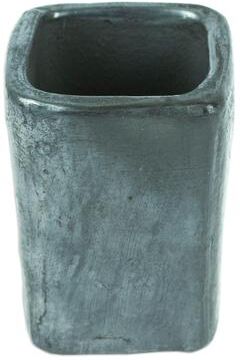
Novida Novica Handmade Festive Tradition Barro Negro Shot GlassMexico's Fernando and Magali Pedro craft a unique creation from traditional barro negro ceramic. After a long and detailed process, this high-quality shot glass is ready to be that elegant item you need for your parties.28,48 $*Shipping: 0,00 $Secure redirect to the provider



-
Can shamans really heal?
Shamans are believed to have the ability to heal through spiritual and energetic practices. While the effectiveness of shamanic healing may not be scientifically proven, many people report positive experiences and improvements in their physical, emotional, and spiritual well-being after working with a shaman. The healing methods used by shamans often involve rituals, ceremonies, and energy work, which can have a profound impact on a person's overall health and wellness. Ultimately, whether shamans can really heal is a matter of personal belief and individual experience. **
-
Are Voodoo priests also shamans?
Voodoo priests are not necessarily shamans, as they belong to different cultural and spiritual traditions. Voodoo priests are typically practitioners of the Vodou religion, which originated in Haiti and has roots in West African spiritual practices. Shamans, on the other hand, are spiritual healers and guides found in various indigenous cultures around the world. While both Voodoo priests and shamans may perform rituals, ceremonies, and healing practices, they do so within the context of their own distinct belief systems and traditions. **
-
Do shamans believe in God?
Shamans come from various cultural and religious backgrounds, so their beliefs about God can vary widely. Some shamans may believe in a single, all-powerful deity, while others may believe in multiple gods or spirits. In some shamanic traditions, the concept of God may not be central to their beliefs, as their focus is more on connecting with the natural world and the spirit realm. Overall, the belief in God among shamans is not uniform and can differ based on individual and cultural perspectives. **
-
What political ideology labels shamans as?
Shamans are often labeled as traditional or indigenous spiritual leaders within the framework of various political ideologies. For example, within the context of indigenous rights movements, shamans may be seen as important figures in preserving cultural heritage and resisting colonialism. In some cases, they may be associated with anti-capitalist or anti-imperialist ideologies that seek to challenge dominant power structures and promote alternative ways of knowing and being. Overall, the labeling of shamans within political ideologies can vary depending on the specific cultural and historical context. **


What is shamanism and who are shamans?
Shamanism is a spiritual practice that involves connecting with the spirit world in order to heal, gain wisdom, and restore balance. Shamans are individuals who are believed to have the ability to communicate with the spirit world and act as intermediaries between the physical and spiritual realms. They often use rituals, ceremonies, and trance-like states to access the spirit world and bring back guidance, healing, and insight for their community. Shamans are found in various indigenous cultures around the world and play a crucial role in maintaining the spiritual and physical well-being of their communities. **
Are shamans also medicine men or healers?
Yes, shamans are often considered to be both medicine men and healers. In many indigenous cultures, shamans are believed to have the ability to communicate with the spirit world and to harness spiritual energy for the purpose of healing physical and mental ailments. They often use a combination of herbal remedies, rituals, and spiritual practices to address the health and well-being of individuals within their community. Therefore, the roles of shaman, medicine man, and healer are often intertwined in many traditional societies. **
Top-Angebote
Products related to Shamans:
-
RLF Home Tradition Provance Valance"Fits Windows up to 50""W. Use multiples for Wider Windows. Decorator's quality fabrics. Fully lined with Poly/Cotton Ivory lining. Use a 2-1/2"" Continental Rod, a regular 3/4"" Curtain rod, Tension rod or Decorative pole no more than 1-3/8"" Diameter."64,49 $*Shipping: 0,00 $Secure redirect to the provider
-
Les Jardins LED path light Tradition Sensor Corten 90cm Tradition, dimmable, Brown / rust, Aluminium, Modern, outdoor solar lightsThe LED path light Tradition made of aluminum shows a modern cuboid shape and rust-brown corten steel finish. It can be operated autonomously thanks to equipment with solar module, rechargeable battery and motion sensor.- equipped with dimming function- operating time when fully charged: 5 h to 200 h (depending on light output)- protection class: IP66- alternatively rechargeable via USB connection- via ground spike (included) or permanently installable398,43 £*Shipping: 4,99 £Secure redirect to the provider
-
Novica Handmade Tradition Of The Heart Basalt BowlPrepare herbs, spices and sauces the way our ancestors did--with handmade stone tools. The Comonfort Group presents this heart-shaped basalt bowl, crafted by hand in a labor-intensive process.132,98 $*Shipping: 0,00 $Secure redirect to the provider
-
Novida Novica Handmade Festive Tradition Barro Negro Shot GlassMexico's Fernando and Magali Pedro craft a unique creation from traditional barro negro ceramic. After a long and detailed process, this high-quality shot glass is ready to be that elegant item you need for your parties.28,48 $*Shipping: 0,00 $Secure redirect to the provider
-
Do shamans have a sense of tradition?
Yes, shamans typically have a strong sense of tradition. Shamanism is an ancient practice that has been passed down through generations, and shamans often adhere to traditional rituals, ceremonies, and beliefs. They may also have specific lineages or cultural backgrounds that influence their shamanic practices, and they often work within the framework of traditional spiritual and healing practices. Additionally, many shamans receive training and guidance from experienced practitioners in order to learn and uphold the traditions of their particular shamanic path. **
-
Are curanderos shamans?
Curanderos and shamans are both traditional healers, but they come from different cultural backgrounds. Curanderos are traditional healers from Latin American cultures, particularly Mexico and Central America, who use a combination of herbal remedies, spiritual rituals, and energy work to heal their patients. Shamans, on the other hand, come from indigenous cultures around the world, including Native American, Siberian, and African traditions, and also use spiritual rituals and energy work to heal. While there are some similarities in their practices, curanderos and shamans are distinct in their cultural origins and specific healing techniques. **
-
Can shamans really heal?
Shamans are believed to have the ability to heal through spiritual and energetic practices. While the effectiveness of shamanic healing may not be scientifically proven, many people report positive experiences and improvements in their physical, emotional, and spiritual well-being after working with a shaman. The healing methods used by shamans often involve rituals, ceremonies, and energy work, which can have a profound impact on a person's overall health and wellness. Ultimately, whether shamans can really heal is a matter of personal belief and individual experience. **
-
Are Voodoo priests also shamans?
Voodoo priests are not necessarily shamans, as they belong to different cultural and spiritual traditions. Voodoo priests are typically practitioners of the Vodou religion, which originated in Haiti and has roots in West African spiritual practices. Shamans, on the other hand, are spiritual healers and guides found in various indigenous cultures around the world. While both Voodoo priests and shamans may perform rituals, ceremonies, and healing practices, they do so within the context of their own distinct belief systems and traditions. **
Similar search terms for Shamans
-
Do shamans believe in God?
Shamans come from various cultural and religious backgrounds, so their beliefs about God can vary widely. Some shamans may believe in a single, all-powerful deity, while others may believe in multiple gods or spirits. In some shamanic traditions, the concept of God may not be central to their beliefs, as their focus is more on connecting with the natural world and the spirit realm. Overall, the belief in God among shamans is not uniform and can differ based on individual and cultural perspectives. **
-
What political ideology labels shamans as?
Shamans are often labeled as traditional or indigenous spiritual leaders within the framework of various political ideologies. For example, within the context of indigenous rights movements, shamans may be seen as important figures in preserving cultural heritage and resisting colonialism. In some cases, they may be associated with anti-capitalist or anti-imperialist ideologies that seek to challenge dominant power structures and promote alternative ways of knowing and being. Overall, the labeling of shamans within political ideologies can vary depending on the specific cultural and historical context. **
-
What is shamanism and who are shamans?
Shamanism is a spiritual practice that involves connecting with the spirit world in order to heal, gain wisdom, and restore balance. Shamans are individuals who are believed to have the ability to communicate with the spirit world and act as intermediaries between the physical and spiritual realms. They often use rituals, ceremonies, and trance-like states to access the spirit world and bring back guidance, healing, and insight for their community. Shamans are found in various indigenous cultures around the world and play a crucial role in maintaining the spiritual and physical well-being of their communities. **
-
Are shamans also medicine men or healers?
Yes, shamans are often considered to be both medicine men and healers. In many indigenous cultures, shamans are believed to have the ability to communicate with the spirit world and to harness spiritual energy for the purpose of healing physical and mental ailments. They often use a combination of herbal remedies, rituals, and spiritual practices to address the health and well-being of individuals within their community. Therefore, the roles of shaman, medicine man, and healer are often intertwined in many traditional societies. **
* All prices are inclusive of VAT and, if applicable, plus shipping costs. The offer information is based on the details provided by the respective shop and is updated through automated processes. Real-time updates do not occur, so deviations can occur in individual cases. ** Note: Parts of this content were created by AI.