Buy indi.co.uk ?
We are moving the project
indi.co.uk .
Are you interested in purchasing the domain
indi.co.uk ?
domain@kv-gmbh.de · 0541-91531010
Buy indi.co.uk ?
Which option is better: textured wallpaper or textured paint?
The choice between textured wallpaper and textured paint ultimately depends on personal preference and the specific needs of the space. Textured wallpaper can add depth and dimension to a room, but it may be more difficult to install and remove compared to textured paint. Textured paint, on the other hand, is easier to apply and can be customized to achieve different textures and effects. Consider factors such as maintenance, cost, and desired aesthetic when deciding between the two options. **
How can you apply textured plaster on a textured wallpaper?
To apply textured plaster on a textured wallpaper, you will first need to prepare the wallpaper by cleaning it thoroughly and allowing it to dry completely. Then, apply a primer to the wallpaper to create a smooth surface for the textured plaster to adhere to. Once the primer is dry, you can apply the textured plaster using a trowel or a putty knife, working in small sections to ensure even coverage. After the plaster has been applied, you can use a textured roller or a brush to create the desired texture. Allow the plaster to dry completely before applying any paint or sealant. **
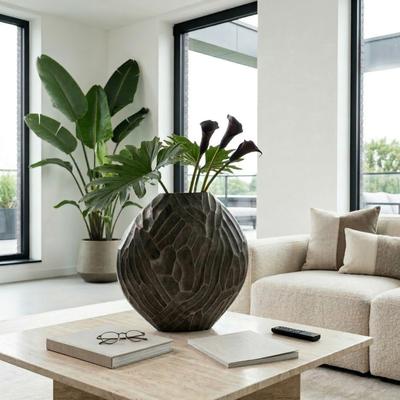

Similar search terms for Sagebrook-Home-Metal-Textured
Top-Angebote
Products related to Sagebrook-Home-Metal-Textured:


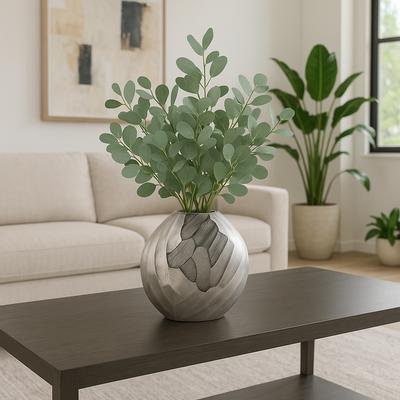

-
Which option do you prefer, textured plaster or textured wallpaper?
I prefer textured plaster over textured wallpaper. Textured plaster provides a more authentic and natural look, as it is applied directly to the wall and can be customized to suit the specific design aesthetic. Additionally, textured plaster is more durable and long-lasting compared to textured wallpaper, which can peel or tear over time. Overall, I find textured plaster to be a more versatile and visually appealing option for adding texture to a space. **
-
What is textured paint 2?
Textured paint 2 is a type of paint that contains additives such as sand, silica, or other materials to create a textured finish on surfaces. This type of paint is often used to add depth and dimension to walls, ceilings, or furniture, and can help hide imperfections in the surface. Textured paint 2 can come in a variety of finishes, from subtle to more pronounced textures, allowing for a customized look in interior design. **
-
How will rock and metal festivals look in the future?
Rock and metal festivals in the future are likely to continue evolving with advancements in technology and production. We can expect to see more elaborate stage designs, immersive visual effects, and interactive experiences for attendees. Additionally, there may be a greater emphasis on sustainability and eco-friendly practices, as well as increased diversity and inclusion in the lineup of artists. With the growing popularity of virtual and augmented reality, it's possible that these technologies will also be integrated into the festival experience, allowing for unique and innovative ways for fans to engage with the music and performances. **
-
Where can one find people who go to metal festivals?
People who go to metal festivals can be found at the festivals themselves, as well as at metal concerts, music stores that specialize in metal music, online metal music forums and communities, and social media groups dedicated to metal music. Additionally, there are metal music clubs and bars that cater to fans of the genre, where one is likely to find people who attend metal festivals. **

How can I cast metal at home so that it is stable?
To cast metal at home so that it is stable, you will need to use a proper casting mold and ensure that the metal is heated to the correct temperature before pouring it into the mold. It is important to use the appropriate safety equipment, such as gloves and eye protection, when working with molten metal. Additionally, you should carefully follow the instructions for the specific type of metal you are casting to ensure that it cools and solidifies properly. Finally, consider seeking guidance from experienced metalworkers or taking a class to learn the proper techniques for casting metal at home. **
How do I paint textured plaster?
To paint textured plaster, follow these steps: 1. Clean the surface: Use a damp cloth to wipe down the textured plaster to remove any dust, dirt, or debris. Allow the surface to dry completely before proceeding. 2. Prime the surface: Apply a coat of primer to the textured plaster to help the paint adhere better and provide a more even finish. Use a roller or brush to apply the primer evenly and allow it to dry according to the manufacturer's instructions. 3. Choose the right paint: Select a paint that is suitable for textured surfaces, such as a high-quality acrylic paint. Make sure to choose a color that complements the overall look and feel of the room. 4. Apply the paint: Use a roller or brush to apply the paint to the textured plaster. Work in small sections, starting from the top and working your way down. Make sure to apply the paint evenly and in a consistent direction to maintain a uniform finish. 5. Allow the paint to dry: Let the first coat of paint dry completely before applying a second coat if needed. Follow the drying time recommended by the paint manufacturer. 6. Touch up any areas: Once the paint is dry, inspect the surface for any areas that may need touch-ups. Use a brush to carefully touch up any missed spots or imperfections. 7. Seal the paint (optional): If desired, you can apply a clear sealer to protect the painted surface and enhance its durability. Follow the manufacturer's instructions for the sealer **
Top-Angebote
Products related to Sagebrook-Home-Metal-Textured:
-
Which option is better: textured wallpaper or textured paint?
The choice between textured wallpaper and textured paint ultimately depends on personal preference and the specific needs of the space. Textured wallpaper can add depth and dimension to a room, but it may be more difficult to install and remove compared to textured paint. Textured paint, on the other hand, is easier to apply and can be customized to achieve different textures and effects. Consider factors such as maintenance, cost, and desired aesthetic when deciding between the two options. **
-
How can you apply textured plaster on a textured wallpaper?
To apply textured plaster on a textured wallpaper, you will first need to prepare the wallpaper by cleaning it thoroughly and allowing it to dry completely. Then, apply a primer to the wallpaper to create a smooth surface for the textured plaster to adhere to. Once the primer is dry, you can apply the textured plaster using a trowel or a putty knife, working in small sections to ensure even coverage. After the plaster has been applied, you can use a textured roller or a brush to create the desired texture. Allow the plaster to dry completely before applying any paint or sealant. **
-
Which option do you prefer, textured plaster or textured wallpaper?
I prefer textured plaster over textured wallpaper. Textured plaster provides a more authentic and natural look, as it is applied directly to the wall and can be customized to suit the specific design aesthetic. Additionally, textured plaster is more durable and long-lasting compared to textured wallpaper, which can peel or tear over time. Overall, I find textured plaster to be a more versatile and visually appealing option for adding texture to a space. **
-
What is textured paint 2?
Textured paint 2 is a type of paint that contains additives such as sand, silica, or other materials to create a textured finish on surfaces. This type of paint is often used to add depth and dimension to walls, ceilings, or furniture, and can help hide imperfections in the surface. Textured paint 2 can come in a variety of finishes, from subtle to more pronounced textures, allowing for a customized look in interior design. **
Similar search terms for Sagebrook-Home-Metal-Textured
-
How will rock and metal festivals look in the future?
Rock and metal festivals in the future are likely to continue evolving with advancements in technology and production. We can expect to see more elaborate stage designs, immersive visual effects, and interactive experiences for attendees. Additionally, there may be a greater emphasis on sustainability and eco-friendly practices, as well as increased diversity and inclusion in the lineup of artists. With the growing popularity of virtual and augmented reality, it's possible that these technologies will also be integrated into the festival experience, allowing for unique and innovative ways for fans to engage with the music and performances. **
-
Where can one find people who go to metal festivals?
People who go to metal festivals can be found at the festivals themselves, as well as at metal concerts, music stores that specialize in metal music, online metal music forums and communities, and social media groups dedicated to metal music. Additionally, there are metal music clubs and bars that cater to fans of the genre, where one is likely to find people who attend metal festivals. **
-
How can I cast metal at home so that it is stable?
To cast metal at home so that it is stable, you will need to use a proper casting mold and ensure that the metal is heated to the correct temperature before pouring it into the mold. It is important to use the appropriate safety equipment, such as gloves and eye protection, when working with molten metal. Additionally, you should carefully follow the instructions for the specific type of metal you are casting to ensure that it cools and solidifies properly. Finally, consider seeking guidance from experienced metalworkers or taking a class to learn the proper techniques for casting metal at home. **
-
How do I paint textured plaster?
To paint textured plaster, follow these steps: 1. Clean the surface: Use a damp cloth to wipe down the textured plaster to remove any dust, dirt, or debris. Allow the surface to dry completely before proceeding. 2. Prime the surface: Apply a coat of primer to the textured plaster to help the paint adhere better and provide a more even finish. Use a roller or brush to apply the primer evenly and allow it to dry according to the manufacturer's instructions. 3. Choose the right paint: Select a paint that is suitable for textured surfaces, such as a high-quality acrylic paint. Make sure to choose a color that complements the overall look and feel of the room. 4. Apply the paint: Use a roller or brush to apply the paint to the textured plaster. Work in small sections, starting from the top and working your way down. Make sure to apply the paint evenly and in a consistent direction to maintain a uniform finish. 5. Allow the paint to dry: Let the first coat of paint dry completely before applying a second coat if needed. Follow the drying time recommended by the paint manufacturer. 6. Touch up any areas: Once the paint is dry, inspect the surface for any areas that may need touch-ups. Use a brush to carefully touch up any missed spots or imperfections. 7. Seal the paint (optional): If desired, you can apply a clear sealer to protect the painted surface and enhance its durability. Follow the manufacturer's instructions for the sealer **
* All prices are inclusive of VAT and, if applicable, plus shipping costs. The offer information is based on the details provided by the respective shop and is updated through automated processes. Real-time updates do not occur, so deviations can occur in individual cases. ** Note: Parts of this content were created by AI.