Buy indi.co.uk ?
We are moving the project
indi.co.uk .
Are you interested in purchasing the domain
indi.co.uk ?
domain@kv-gmbh.de · 0541-91531010
Buy indi.co.uk ?
Does dry rust continue to rust?
Yes, dry rust can continue to rust. Rust is a chemical reaction between iron, oxygen, and water, and even in the absence of liquid water, rusting can still occur through a process called dry corrosion. This occurs when moisture in the air or other environmental factors provide enough water vapor to sustain the rusting process. Therefore, even if the rust appears dry, it can still continue to corrode over time. **
What is rust?
Rust is a reddish-brown coating that forms on iron or steel when it is exposed to oxygen and moisture. It is a chemical reaction known as oxidation, where the iron in the metal combines with oxygen in the air to form iron oxide. Rust weakens the metal and can eventually cause it to deteriorate and break down if not treated or prevented. It is commonly seen on metal objects like cars, tools, and outdoor furniture. **


Similar search terms for Rust
Top-Angebote
Products related to Rust:
-
Rust Guard Dishwasher Cleaner & Rust Stain Remover Magnet, Flash Rust Prevention for Cutlery, Pots & Pans, Reuses 1 PackThe Rust Guard Dishwasher Cleaner & Rust Stain Remover Magnet helps protect your kitchenware from flash rust and rust stains during dishwasher cycles.23,99 $*Shipping: 0,00 $Secure redirect to the provider
-
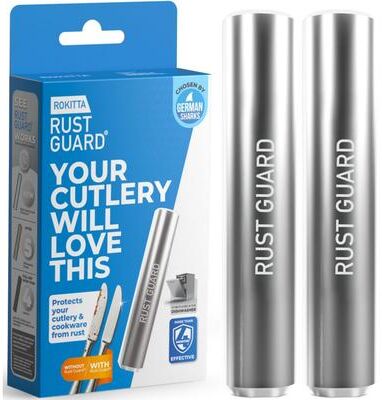
Rokitta Rust Guard Dishwasher Cleaner & Rust Stain Remover, Flash Rust Prevention Magnet for Cutlery, Pots & Pans, 2 PackRust Guard is the only patented product that prevents rust from forming on cutlery and inside your dishwasher. Simply place it in the dishwasher basket — it attracts rust particles during every cycle, keeping your dishes, pots, and silverware...32,99 $*Shipping: 0,00 $Secure redirect to the provider



-
Can plastic rust?
No, plastic cannot rust because rusting is a chemical reaction that occurs in metals when they are exposed to oxygen and water. Plastic is a synthetic material made from polymers, which do not contain metal elements that can undergo rusting. However, plastic can degrade over time due to exposure to sunlight, heat, and certain chemicals, leading to cracking, discoloration, and weakening of the material. **
-
Can tin rust?
Tin itself does not rust like iron does. However, tin-plated items can still rust if the tin coating is damaged or worn away, exposing the underlying metal to moisture and oxygen. In these cases, the underlying metal, such as steel or iron, can rust. It is important to properly care for tin-plated items to prevent rusting. **
-
Does rhodium rust?
No, rhodium does not rust. Rhodium is a noble metal, which means it is highly resistant to corrosion and oxidation. This property makes rhodium a popular choice for coating other metals to improve their durability and resistance to tarnishing. **
-
Is rust transferable?
Rust is not transferable between objects or surfaces. It is a chemical reaction that occurs when iron or steel is exposed to oxygen and moisture. While rust can spread on the same object if left untreated, it does not transfer from one object to another. However, if a rusty object comes into contact with another object, it may leave rust stains or residue on the surface. **


Can glasses rust?
No, glasses cannot rust because they are typically made of materials like glass, plastic, or metal alloys that do not contain iron. Rust is a chemical reaction that occurs when iron or iron alloys are exposed to oxygen and moisture over time. However, metal components on glasses, such as screws or hinges, can rust if they are made of iron or iron alloys. **
What favors rust?
Rust is favored by the presence of moisture and oxygen in the environment. When metal is exposed to these elements, a chemical reaction occurs that leads to the formation of rust. Additionally, high levels of humidity can accelerate the rusting process. Therefore, keeping metal surfaces dry and protected from moisture can help prevent rust from forming. **
Top-Angebote
Products related to Rust:
-
Les Jardins LED path light Tradition Sensor Corten 90cm Tradition, dimmable, Brown / rust, Aluminium, Modern, outdoor solar lightsThe LED path light Tradition made of aluminum shows a modern cuboid shape and rust-brown corten steel finish. It can be operated autonomously thanks to equipment with solar module, rechargeable battery and motion sensor.- equipped with dimming function- operating time when fully charged: 5 h to 200 h (depending on light output)- protection class: IP66- alternatively rechargeable via USB connection- via ground spike (included) or permanently installable398,43 £*Shipping: 4,99 £Secure redirect to the provider
-
Rust Guard Dishwasher Cleaner & Rust Stain Remover Magnet, Flash Rust Prevention for Cutlery, Pots & Pans, Reuses 1 PackThe Rust Guard Dishwasher Cleaner & Rust Stain Remover Magnet helps protect your kitchenware from flash rust and rust stains during dishwasher cycles.23,99 $*Shipping: 0,00 $Secure redirect to the provider
-
Rokitta Rust Guard Dishwasher Cleaner & Rust Stain Remover, Flash Rust Prevention Magnet for Cutlery, Pots & Pans, 2 PackRust Guard is the only patented product that prevents rust from forming on cutlery and inside your dishwasher. Simply place it in the dishwasher basket — it attracts rust particles during every cycle, keeping your dishes, pots, and silverware...32,99 $*Shipping: 0,00 $Secure redirect to the provider
-
Does dry rust continue to rust?
Yes, dry rust can continue to rust. Rust is a chemical reaction between iron, oxygen, and water, and even in the absence of liquid water, rusting can still occur through a process called dry corrosion. This occurs when moisture in the air or other environmental factors provide enough water vapor to sustain the rusting process. Therefore, even if the rust appears dry, it can still continue to corrode over time. **
-
What is rust?
Rust is a reddish-brown coating that forms on iron or steel when it is exposed to oxygen and moisture. It is a chemical reaction known as oxidation, where the iron in the metal combines with oxygen in the air to form iron oxide. Rust weakens the metal and can eventually cause it to deteriorate and break down if not treated or prevented. It is commonly seen on metal objects like cars, tools, and outdoor furniture. **
-
Can plastic rust?
No, plastic cannot rust because rusting is a chemical reaction that occurs in metals when they are exposed to oxygen and water. Plastic is a synthetic material made from polymers, which do not contain metal elements that can undergo rusting. However, plastic can degrade over time due to exposure to sunlight, heat, and certain chemicals, leading to cracking, discoloration, and weakening of the material. **
-
Can tin rust?
Tin itself does not rust like iron does. However, tin-plated items can still rust if the tin coating is damaged or worn away, exposing the underlying metal to moisture and oxygen. In these cases, the underlying metal, such as steel or iron, can rust. It is important to properly care for tin-plated items to prevent rusting. **
Similar search terms for Rust
-
Does rhodium rust?
No, rhodium does not rust. Rhodium is a noble metal, which means it is highly resistant to corrosion and oxidation. This property makes rhodium a popular choice for coating other metals to improve their durability and resistance to tarnishing. **
-
Is rust transferable?
Rust is not transferable between objects or surfaces. It is a chemical reaction that occurs when iron or steel is exposed to oxygen and moisture. While rust can spread on the same object if left untreated, it does not transfer from one object to another. However, if a rusty object comes into contact with another object, it may leave rust stains or residue on the surface. **
-
Can glasses rust?
No, glasses cannot rust because they are typically made of materials like glass, plastic, or metal alloys that do not contain iron. Rust is a chemical reaction that occurs when iron or iron alloys are exposed to oxygen and moisture over time. However, metal components on glasses, such as screws or hinges, can rust if they are made of iron or iron alloys. **
-
What favors rust?
Rust is favored by the presence of moisture and oxygen in the environment. When metal is exposed to these elements, a chemical reaction occurs that leads to the formation of rust. Additionally, high levels of humidity can accelerate the rusting process. Therefore, keeping metal surfaces dry and protected from moisture can help prevent rust from forming. **
* All prices are inclusive of VAT and, if applicable, plus shipping costs. The offer information is based on the details provided by the respective shop and is updated through automated processes. Real-time updates do not occur, so deviations can occur in individual cases. ** Note: Parts of this content were created by AI.