Buy indi.co.uk ?
We are moving the project
indi.co.uk .
Are you interested in purchasing the domain
indi.co.uk ?
domain@kv-gmbh.de · 0541-91531010
Buy indi.co.uk ?
How is the venous access performed as a radiologic technologist?
As a radiologic technologist, venous access is typically performed by inserting an intravenous (IV) catheter into a patient's vein. This is done to administer contrast media for various imaging procedures such as CT scans, MRI scans, and angiography. The technologist will first assess the patient's veins to determine the best location for the IV insertion. They will then clean the area, apply a tourniquet to help visualize the vein, and carefully insert the IV catheter. Once the catheter is in place, the technologist will secure it and ensure proper flow of contrast media during the imaging procedure. **
What does a typical workday look like for a radiologic technologist?
A typical workday for a radiologic technologist involves preparing patients for imaging procedures, operating imaging equipment to capture diagnostic images, and ensuring the quality of the images produced. They work closely with radiologists to analyze images and provide accurate information for diagnosis. Radiologic technologists also maintain patient records, follow safety protocols, and communicate with patients to ensure their comfort and understanding throughout the imaging process. Additionally, they may assist with administrative tasks and participate in continuing education to stay current with advancements in the field. **


Similar search terms for Radiologic
Top-Angebote
Products related to Radiologic:
-
Novica Handmade Tradition Of The Heart Basalt BowlPrepare herbs, spices and sauces the way our ancestors did--with handmade stone tools. The Comonfort Group presents this heart-shaped basalt bowl, crafted by hand in a labor-intensive process.132,98 $*Shipping: 0,00 $Secure redirect to the provider
-
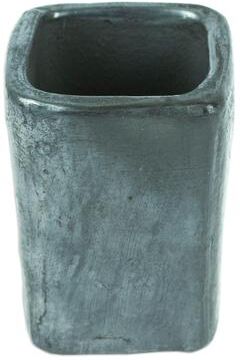
Novida Novica Handmade Festive Tradition Barro Negro Shot GlassMexico's Fernando and Magali Pedro craft a unique creation from traditional barro negro ceramic. After a long and detailed process, this high-quality shot glass is ready to be that elegant item you need for your parties.28,48 $*Shipping: 0,00 $Secure redirect to the provider



-
How does a job interview for a radiologic technologist position go?
A job interview for a radiologic technologist position typically involves questions about your education, experience, and technical skills related to operating imaging equipment. You may also be asked about your knowledge of radiation safety protocols and patient care. The interviewer may inquire about your ability to work in a fast-paced environment, handle stressful situations, and communicate effectively with patients and medical staff. It is important to showcase your technical expertise, professionalism, and commitment to providing high-quality patient care during the interview. **
-
Can you study medicine with a training as a radiologic technologist (MTRA)?
Yes, it is possible to study medicine with a background as a radiologic technologist (MTRA). Your experience in the field of radiology can provide you with valuable knowledge and skills that may be beneficial in medical school. However, you would still need to meet the specific requirements for admission to medical school, which typically include completing prerequisite courses in subjects like biology, chemistry, and physics, as well as taking the Medical College Admission Test (MCAT). Additionally, gaining clinical experience and demonstrating a strong academic record will also be important factors in your application to medical school. **
-
What does the daily work routine of a radiologic technologist look like?
A radiologic technologist's daily work routine typically involves preparing patients for imaging procedures, operating imaging equipment to capture diagnostic images, and ensuring the quality of the images produced. They work closely with radiologists to analyze images and provide accurate information for diagnosis and treatment. Radiologic technologists also maintain patient records, follow safety protocols to minimize radiation exposure, and may assist with administrative tasks such as scheduling appointments and managing equipment maintenance. **
-
What does the training to become a radiologic technologist (MTRA) look like in 2025?
In 2025, the training to become a radiologic technologist (MTRA) is likely to be more advanced and technology-driven. Students will receive comprehensive education in medical imaging techniques, radiation safety, and patient care. The curriculum may include courses on emerging imaging technologies, such as artificial intelligence and 3D printing. Hands-on training in clinical settings will continue to be a crucial component of the program to ensure students are well-prepared for the demands of the field. Additionally, there may be an increased emphasis on interdisciplinary collaboration and communication skills to provide holistic patient care. **


How can one forget culture and heritage?
One can forget culture and heritage by not actively engaging with it, by being disconnected from one's roots and community, and by prioritizing other aspects of life over preserving and celebrating one's cultural identity. This can happen through assimilation into a different culture, lack of exposure to one's own cultural traditions and practices, and a lack of interest in learning about one's heritage. Additionally, societal pressures and discrimination can also contribute to the erasure of one's culture and heritage. **
What is the difference between culture and tradition?
Culture refers to the beliefs, customs, arts, and social behaviors of a particular group of people, encompassing a broader range of practices and values. On the other hand, tradition specifically refers to the customs and practices that are passed down from generation to generation within a specific community or society. While culture is more dynamic and can evolve over time, traditions tend to be more static and rooted in history and heritage. **
Top-Angebote
Products related to Radiologic:
-
RLF Home Tradition Provance Valance"Fits Windows up to 50""W. Use multiples for Wider Windows. Decorator's quality fabrics. Fully lined with Poly/Cotton Ivory lining. Use a 2-1/2"" Continental Rod, a regular 3/4"" Curtain rod, Tension rod or Decorative pole no more than 1-3/8"" Diameter."64,49 $*Shipping: 0,00 $Secure redirect to the provider
-
Les Jardins LED path light Tradition Sensor Corten 90cm Tradition, dimmable, Brown / rust, Aluminium, Modern, outdoor solar lightsThe LED path light Tradition made of aluminum shows a modern cuboid shape and rust-brown corten steel finish. It can be operated autonomously thanks to equipment with solar module, rechargeable battery and motion sensor.- equipped with dimming function- operating time when fully charged: 5 h to 200 h (depending on light output)- protection class: IP66- alternatively rechargeable via USB connection- via ground spike (included) or permanently installable398,43 £*Shipping: 4,99 £Secure redirect to the provider
-
Novica Handmade Tradition Of The Heart Basalt BowlPrepare herbs, spices and sauces the way our ancestors did--with handmade stone tools. The Comonfort Group presents this heart-shaped basalt bowl, crafted by hand in a labor-intensive process.132,98 $*Shipping: 0,00 $Secure redirect to the provider
-
Novida Novica Handmade Festive Tradition Barro Negro Shot GlassMexico's Fernando and Magali Pedro craft a unique creation from traditional barro negro ceramic. After a long and detailed process, this high-quality shot glass is ready to be that elegant item you need for your parties.28,48 $*Shipping: 0,00 $Secure redirect to the provider
-
How is the venous access performed as a radiologic technologist?
As a radiologic technologist, venous access is typically performed by inserting an intravenous (IV) catheter into a patient's vein. This is done to administer contrast media for various imaging procedures such as CT scans, MRI scans, and angiography. The technologist will first assess the patient's veins to determine the best location for the IV insertion. They will then clean the area, apply a tourniquet to help visualize the vein, and carefully insert the IV catheter. Once the catheter is in place, the technologist will secure it and ensure proper flow of contrast media during the imaging procedure. **
-
What does a typical workday look like for a radiologic technologist?
A typical workday for a radiologic technologist involves preparing patients for imaging procedures, operating imaging equipment to capture diagnostic images, and ensuring the quality of the images produced. They work closely with radiologists to analyze images and provide accurate information for diagnosis. Radiologic technologists also maintain patient records, follow safety protocols, and communicate with patients to ensure their comfort and understanding throughout the imaging process. Additionally, they may assist with administrative tasks and participate in continuing education to stay current with advancements in the field. **
-
How does a job interview for a radiologic technologist position go?
A job interview for a radiologic technologist position typically involves questions about your education, experience, and technical skills related to operating imaging equipment. You may also be asked about your knowledge of radiation safety protocols and patient care. The interviewer may inquire about your ability to work in a fast-paced environment, handle stressful situations, and communicate effectively with patients and medical staff. It is important to showcase your technical expertise, professionalism, and commitment to providing high-quality patient care during the interview. **
-
Can you study medicine with a training as a radiologic technologist (MTRA)?
Yes, it is possible to study medicine with a background as a radiologic technologist (MTRA). Your experience in the field of radiology can provide you with valuable knowledge and skills that may be beneficial in medical school. However, you would still need to meet the specific requirements for admission to medical school, which typically include completing prerequisite courses in subjects like biology, chemistry, and physics, as well as taking the Medical College Admission Test (MCAT). Additionally, gaining clinical experience and demonstrating a strong academic record will also be important factors in your application to medical school. **
Similar search terms for Radiologic
-
Kid's Desert Badge Tradition T-Shirt in Smoked Pearl, Size: XS by AriatA mini version of Dad's favorite tee—he'll want to throw this one on more days than not. Soft yet durable, it can withstand hard play and frequent washes. Kid's Desert Badge Tradition T-Shirt in Smoked Pearl, Size: XS by Ariat22,95 $*Shipping: 0,00 $Secure redirect to the provider
-
Kid's Desert Badge Tradition T-Shirt in Smoked Pearl, Size: Small by AriatA mini version of Dad's favorite tee—he'll want to throw this one on more days than not. Soft yet durable, it can withstand hard play and frequent washes. Kid's Desert Badge Tradition T-Shirt in Smoked Pearl, Size: Small by Ariat22,95 $*Shipping: 0,00 $Secure redirect to the provider
-
What does the daily work routine of a radiologic technologist look like?
A radiologic technologist's daily work routine typically involves preparing patients for imaging procedures, operating imaging equipment to capture diagnostic images, and ensuring the quality of the images produced. They work closely with radiologists to analyze images and provide accurate information for diagnosis and treatment. Radiologic technologists also maintain patient records, follow safety protocols to minimize radiation exposure, and may assist with administrative tasks such as scheduling appointments and managing equipment maintenance. **
-
What does the training to become a radiologic technologist (MTRA) look like in 2025?
In 2025, the training to become a radiologic technologist (MTRA) is likely to be more advanced and technology-driven. Students will receive comprehensive education in medical imaging techniques, radiation safety, and patient care. The curriculum may include courses on emerging imaging technologies, such as artificial intelligence and 3D printing. Hands-on training in clinical settings will continue to be a crucial component of the program to ensure students are well-prepared for the demands of the field. Additionally, there may be an increased emphasis on interdisciplinary collaboration and communication skills to provide holistic patient care. **
-
How can one forget culture and heritage?
One can forget culture and heritage by not actively engaging with it, by being disconnected from one's roots and community, and by prioritizing other aspects of life over preserving and celebrating one's cultural identity. This can happen through assimilation into a different culture, lack of exposure to one's own cultural traditions and practices, and a lack of interest in learning about one's heritage. Additionally, societal pressures and discrimination can also contribute to the erasure of one's culture and heritage. **
-
What is the difference between culture and tradition?
Culture refers to the beliefs, customs, arts, and social behaviors of a particular group of people, encompassing a broader range of practices and values. On the other hand, tradition specifically refers to the customs and practices that are passed down from generation to generation within a specific community or society. While culture is more dynamic and can evolve over time, traditions tend to be more static and rooted in history and heritage. **
* All prices are inclusive of VAT and, if applicable, plus shipping costs. The offer information is based on the details provided by the respective shop and is updated through automated processes. Real-time updates do not occur, so deviations can occur in individual cases. ** Note: Parts of this content were created by AI.