Buy indi.co.uk ?
We are moving the project
indi.co.uk .
Are you interested in purchasing the domain
indi.co.uk ?
domain@kv-gmbh.de · 0541-91531010
Buy indi.co.uk ?
What does homeothermic and poikilothermic mean?
Homeothermic refers to animals that can maintain a relatively constant body temperature, regardless of external environmental conditions. This is typically achieved through internal physiological processes such as shivering or sweating. Poikilothermic, on the other hand, refers to animals whose body temperature fluctuates with the temperature of their environment. These animals rely on external sources of heat, such as the sun, to regulate their body temperature. **
Does Bergmann's rule apply to poikilothermic organisms?
Bergmann's rule, which states that individuals of a species tend to be larger in colder climates, primarily applies to endothermic organisms that can regulate their body temperature internally. Poikilothermic organisms, also known as cold-blooded animals, cannot regulate their body temperature internally and instead rely on external sources to maintain their body temperature. Therefore, Bergmann's rule may not directly apply to poikilothermic organisms, as their body size may be influenced by other factors such as resource availability and predator-prey dynamics. **


Similar search terms for Poikilothermic
Top-Angebote
Products related to Poikilothermic:
-
Novica Handmade Tradition Of The Heart Basalt BowlPrepare herbs, spices and sauces the way our ancestors did--with handmade stone tools. The Comonfort Group presents this heart-shaped basalt bowl, crafted by hand in a labor-intensive process.132,98 $*Shipping: 0,00 $Secure redirect to the provider
-
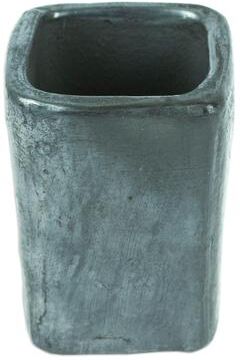
Novida Novica Handmade Festive Tradition Barro Negro Shot GlassMexico's Fernando and Magali Pedro craft a unique creation from traditional barro negro ceramic. After a long and detailed process, this high-quality shot glass is ready to be that elegant item you need for your parties.28,48 $*Shipping: 0,00 $Secure redirect to the provider



-
What are poikilothermic animals and homeothermic animals?
Poikilothermic animals are organisms whose internal body temperature fluctuates with the temperature of their environment. They are also known as cold-blooded animals. Examples of poikilothermic animals include reptiles, amphibians, and most fish. Homeothermic animals, on the other hand, are organisms that can maintain a relatively constant internal body temperature regardless of the external temperature. They are also known as warm-blooded animals. Mammals and birds are examples of homeothermic animals. **
-
Are desert foxes poikilothermic, homeothermic, or ectothermic animals?
Desert foxes are homeothermic animals, meaning they can regulate their body temperature internally and maintain a relatively constant temperature regardless of external conditions. This ability allows them to thrive in the extreme temperatures of the desert environment. Homeothermic animals, also known as warm-blooded animals, are able to maintain a stable body temperature through metabolic processes such as shivering or sweating. **
-
What is the difference between poikilothermic and homeothermic?
Poikilothermic organisms, such as reptiles and amphibians, have body temperatures that fluctuate with the temperature of their environment. In contrast, homeothermic organisms, like mammals and birds, are able to maintain a relatively constant internal body temperature regardless of the external environment. This ability to regulate body temperature allows homeothermic organisms to be more active in a wider range of environmental conditions compared to poikilothermic organisms. **
-
What is the difference between homeothermic and poikilothermic animals?
Homeothermic animals are able to regulate their body temperature internally, maintaining a relatively constant temperature regardless of external conditions. Poikilothermic animals, on the other hand, rely on their environment to regulate their body temperature and their internal temperature fluctuates with the external temperature. Homeothermic animals, such as mammals and birds, have higher metabolic rates and are able to maintain a more stable internal environment compared to poikilothermic animals, such as reptiles and amphibians. **
Why can't Allen's and Bergmann's rules be applied to poikilothermic animals?
Allen's and Bergmann's rules, which state that animals in colder climates tend to have larger bodies and shorter limbs, are based on the principle of heat conservation in endothermic animals. Poikilothermic animals, on the other hand, rely on external sources of heat to regulate their body temperature. Therefore, the relationship between body size and limb length in poikilothermic animals is not governed by the same principles as in endothermic animals, making it inappropriate to apply Allen's and Bergmann's rules to them. **
Why do poikilothermic, ectothermic organisms tend to live in the subtropics/tropics?
Poikilothermic, ectothermic organisms tend to live in the subtropics/tropics because these regions provide a more stable and warmer environment, which is essential for their survival. These organisms rely on external sources of heat to regulate their body temperature, and the consistently warm temperatures in the subtropics/tropics allow them to maintain their metabolic processes and activity levels. Additionally, the abundance of sunlight in these regions provides ample opportunities for these organisms to bask and absorb heat, which is crucial for their physiological functions. Overall, the subtropics/tropics offer the ideal conditions for poikilothermic, ectothermic organisms to thrive and adapt to their environment. **
Top-Angebote
Products related to Poikilothermic:
-
RLF Home Tradition Provance Valance"Fits Windows up to 50""W. Use multiples for Wider Windows. Decorator's quality fabrics. Fully lined with Poly/Cotton Ivory lining. Use a 2-1/2"" Continental Rod, a regular 3/4"" Curtain rod, Tension rod or Decorative pole no more than 1-3/8"" Diameter."64,49 $*Shipping: 0,00 $Secure redirect to the provider
-
Les Jardins LED path light Tradition Sensor Corten 90cm Tradition, dimmable, Brown / rust, Aluminium, Modern, outdoor solar lightsThe LED path light Tradition made of aluminum shows a modern cuboid shape and rust-brown corten steel finish. It can be operated autonomously thanks to equipment with solar module, rechargeable battery and motion sensor.- equipped with dimming function- operating time when fully charged: 5 h to 200 h (depending on light output)- protection class: IP66- alternatively rechargeable via USB connection- via ground spike (included) or permanently installable398,43 £*Shipping: 4,99 £Secure redirect to the provider
-
Novica Handmade Tradition Of The Heart Basalt BowlPrepare herbs, spices and sauces the way our ancestors did--with handmade stone tools. The Comonfort Group presents this heart-shaped basalt bowl, crafted by hand in a labor-intensive process.132,98 $*Shipping: 0,00 $Secure redirect to the provider
-
Novida Novica Handmade Festive Tradition Barro Negro Shot GlassMexico's Fernando and Magali Pedro craft a unique creation from traditional barro negro ceramic. After a long and detailed process, this high-quality shot glass is ready to be that elegant item you need for your parties.28,48 $*Shipping: 0,00 $Secure redirect to the provider
-
What does homeothermic and poikilothermic mean?
Homeothermic refers to animals that can maintain a relatively constant body temperature, regardless of external environmental conditions. This is typically achieved through internal physiological processes such as shivering or sweating. Poikilothermic, on the other hand, refers to animals whose body temperature fluctuates with the temperature of their environment. These animals rely on external sources of heat, such as the sun, to regulate their body temperature. **
-
Does Bergmann's rule apply to poikilothermic organisms?
Bergmann's rule, which states that individuals of a species tend to be larger in colder climates, primarily applies to endothermic organisms that can regulate their body temperature internally. Poikilothermic organisms, also known as cold-blooded animals, cannot regulate their body temperature internally and instead rely on external sources to maintain their body temperature. Therefore, Bergmann's rule may not directly apply to poikilothermic organisms, as their body size may be influenced by other factors such as resource availability and predator-prey dynamics. **
-
What are poikilothermic animals and homeothermic animals?
Poikilothermic animals are organisms whose internal body temperature fluctuates with the temperature of their environment. They are also known as cold-blooded animals. Examples of poikilothermic animals include reptiles, amphibians, and most fish. Homeothermic animals, on the other hand, are organisms that can maintain a relatively constant internal body temperature regardless of the external temperature. They are also known as warm-blooded animals. Mammals and birds are examples of homeothermic animals. **
-
Are desert foxes poikilothermic, homeothermic, or ectothermic animals?
Desert foxes are homeothermic animals, meaning they can regulate their body temperature internally and maintain a relatively constant temperature regardless of external conditions. This ability allows them to thrive in the extreme temperatures of the desert environment. Homeothermic animals, also known as warm-blooded animals, are able to maintain a stable body temperature through metabolic processes such as shivering or sweating. **
Similar search terms for Poikilothermic
-
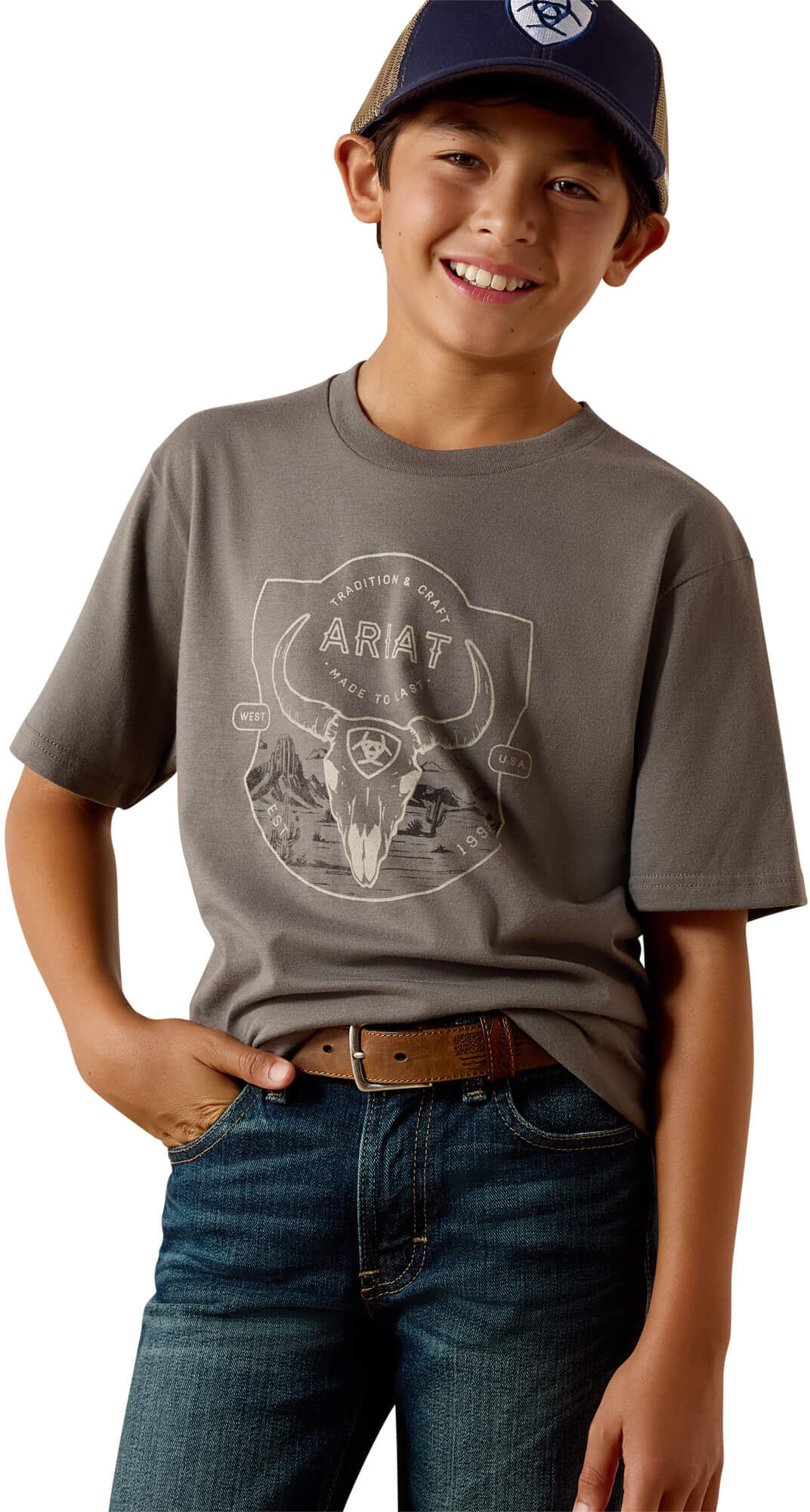
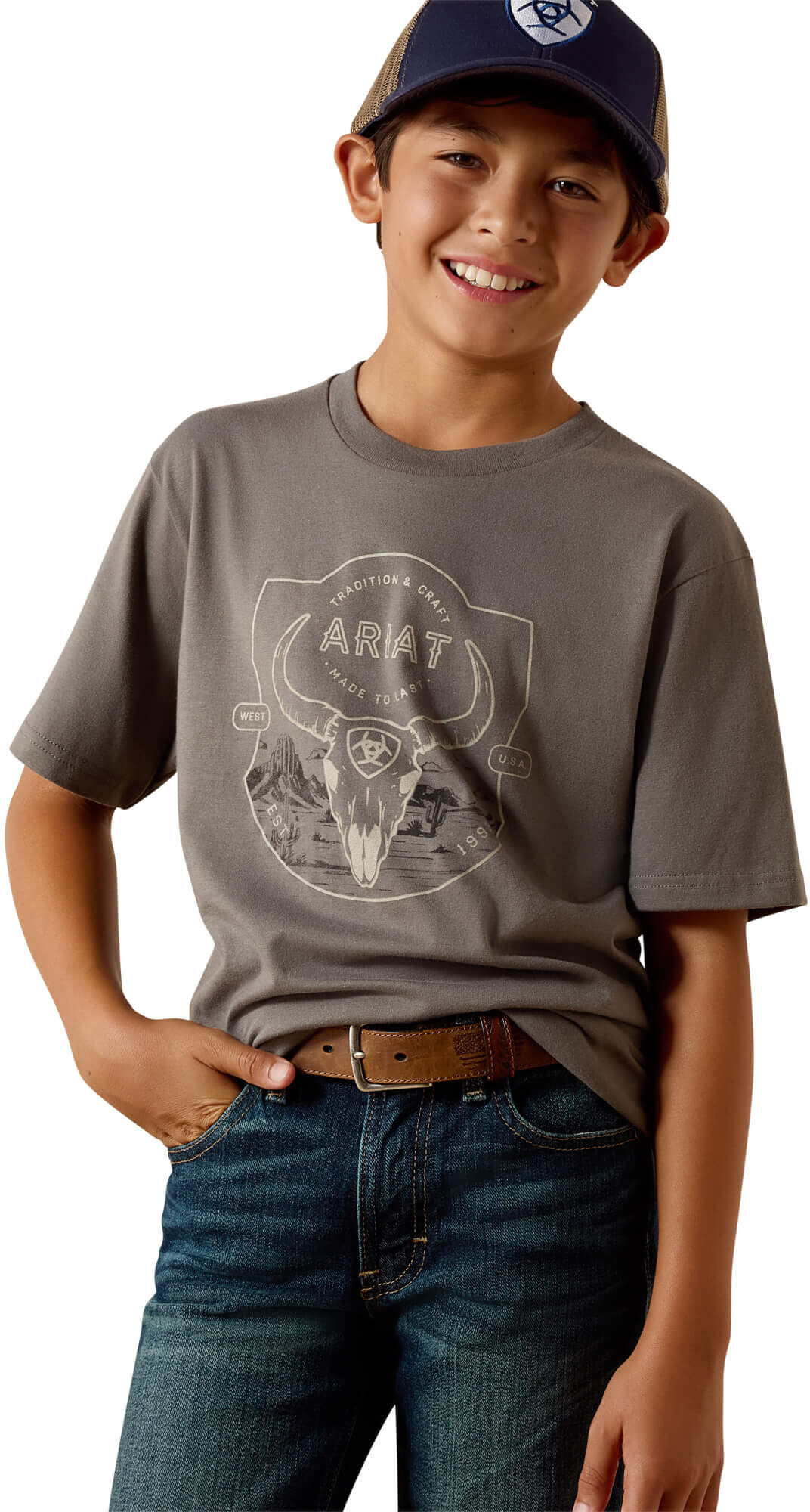
Kid's Desert Badge Tradition T-Shirt in Smoked Pearl, Size: XS by AriatA mini version of Dad's favorite tee—he'll want to throw this one on more days than not. Soft yet durable, it can withstand hard play and frequent washes. Kid's Desert Badge Tradition T-Shirt in Smoked Pearl, Size: XS by Ariat22,95 $*Shipping: 0,00 $Secure redirect to the provider
-
Kid's Desert Badge Tradition T-Shirt in Smoked Pearl, Size: Small by AriatA mini version of Dad's favorite tee—he'll want to throw this one on more days than not. Soft yet durable, it can withstand hard play and frequent washes. Kid's Desert Badge Tradition T-Shirt in Smoked Pearl, Size: Small by Ariat22,95 $*Shipping: 0,00 $Secure redirect to the provider
-
What is the difference between poikilothermic and homeothermic?
Poikilothermic organisms, such as reptiles and amphibians, have body temperatures that fluctuate with the temperature of their environment. In contrast, homeothermic organisms, like mammals and birds, are able to maintain a relatively constant internal body temperature regardless of the external environment. This ability to regulate body temperature allows homeothermic organisms to be more active in a wider range of environmental conditions compared to poikilothermic organisms. **
-
What is the difference between homeothermic and poikilothermic animals?
Homeothermic animals are able to regulate their body temperature internally, maintaining a relatively constant temperature regardless of external conditions. Poikilothermic animals, on the other hand, rely on their environment to regulate their body temperature and their internal temperature fluctuates with the external temperature. Homeothermic animals, such as mammals and birds, have higher metabolic rates and are able to maintain a more stable internal environment compared to poikilothermic animals, such as reptiles and amphibians. **
-
Why can't Allen's and Bergmann's rules be applied to poikilothermic animals?
Allen's and Bergmann's rules, which state that animals in colder climates tend to have larger bodies and shorter limbs, are based on the principle of heat conservation in endothermic animals. Poikilothermic animals, on the other hand, rely on external sources of heat to regulate their body temperature. Therefore, the relationship between body size and limb length in poikilothermic animals is not governed by the same principles as in endothermic animals, making it inappropriate to apply Allen's and Bergmann's rules to them. **
-
Why do poikilothermic, ectothermic organisms tend to live in the subtropics/tropics?
Poikilothermic, ectothermic organisms tend to live in the subtropics/tropics because these regions provide a more stable and warmer environment, which is essential for their survival. These organisms rely on external sources of heat to regulate their body temperature, and the consistently warm temperatures in the subtropics/tropics allow them to maintain their metabolic processes and activity levels. Additionally, the abundance of sunlight in these regions provides ample opportunities for these organisms to bask and absorb heat, which is crucial for their physiological functions. Overall, the subtropics/tropics offer the ideal conditions for poikilothermic, ectothermic organisms to thrive and adapt to their environment. **
* All prices are inclusive of VAT and, if applicable, plus shipping costs. The offer information is based on the details provided by the respective shop and is updated through automated processes. Real-time updates do not occur, so deviations can occur in individual cases. ** Note: Parts of this content were created by AI.