Buy indi.co.uk ?
We are moving the project
indi.co.uk .
Are you interested in purchasing the domain
indi.co.uk ?
domain@kv-gmbh.de · 0541-91531010
Buy indi.co.uk ?
What are orthographic principles?
Orthographic principles are rules and conventions that govern the correct way to write and spell words in a language. These principles include guidelines for using capitalization, punctuation, and spelling. Following orthographic principles helps ensure clarity, consistency, and accuracy in written communication. Adhering to these principles also helps to maintain the standardization and uniformity of written language. **
Is this expression strictly orthographic or not at all?
This expression is not strictly orthographic. It involves both orthographic and non-orthographic elements. The use of letters and symbols makes it orthographic, but the inclusion of non-alphabetic characters like the exclamation mark and the use of spacing and capitalization for emphasis make it non-orthographic. Therefore, it is a combination of both orthographic and non-orthographic elements. **


Similar search terms for Orthographic
Top-Angebote
Products related to Orthographic:
-
Novica Handmade Tradition Of The Heart Basalt BowlPrepare herbs, spices and sauces the way our ancestors did--with handmade stone tools. The Comonfort Group presents this heart-shaped basalt bowl, crafted by hand in a labor-intensive process.132,98 $*Shipping: 0,00 $Secure redirect to the provider
-
Novida Novica Handmade Festive Tradition Barro Negro Shot GlassMexico's Fernando and Magali Pedro craft a unique creation from traditional barro negro ceramic. After a long and detailed process, this high-quality shot glass is ready to be that elegant item you need for your parties.28,48 $*Shipping: 0,00 $Secure redirect to the provider




-
What is the correct title for an English orthographic dictionary?
The correct title for an English orthographic dictionary would be "English Orthographic Dictionary." This title clearly indicates that the dictionary focuses on the correct spelling and writing system of the English language. It helps users identify and understand the correct way to spell words in English, making it a valuable resource for writers, students, and language learners. **
-
What are the orthographic principles of the lexical and textual principles?
The orthographic principles of lexical and textual principles refer to the rules and conventions governing the correct spelling, punctuation, and formatting of words and sentences in written language. Lexical principles focus on the correct spelling and usage of individual words, including understanding prefixes, suffixes, and root words. Textual principles, on the other hand, involve the correct organization and structure of sentences and paragraphs, including proper punctuation, capitalization, and paragraphing to ensure clarity and coherence in written communication. Both sets of principles are essential for effective written communication and help ensure that written texts are clear, accurate, and easy to read. **
-
How can one forget culture and heritage?
One can forget culture and heritage by not actively engaging with it, by being disconnected from one's roots and community, and by prioritizing other aspects of life over preserving and celebrating one's cultural identity. This can happen through assimilation into a different culture, lack of exposure to one's own cultural traditions and practices, and a lack of interest in learning about one's heritage. Additionally, societal pressures and discrimination can also contribute to the erasure of one's culture and heritage. **
-
What is the difference between culture and tradition?
Culture refers to the beliefs, customs, arts, and social behaviors of a particular group of people, encompassing a broader range of practices and values. On the other hand, tradition specifically refers to the customs and practices that are passed down from generation to generation within a specific community or society. While culture is more dynamic and can evolve over time, traditions tend to be more static and rooted in history and heritage. **
What does Cuban cuisine and eating culture look like?
Cuban cuisine is a fusion of Spanish, African, and Caribbean influences, resulting in a diverse and flavorful culinary tradition. Common ingredients include rice, beans, plantains, and various meats such as pork and chicken. Popular dishes include ropa vieja (shredded beef), arroz con pollo (chicken with rice), and lechón asado (roast pork). Eating culture in Cuba is centered around family and community, with meals often being a social and communal experience. It is common for Cubans to share meals with extended family and friends, and food is an important part of social gatherings and celebrations. **
What is the meaning of tradition, culture, and identity?
Tradition refers to the customs, beliefs, and practices that are passed down from generation to generation within a community or society. Culture encompasses the shared values, beliefs, and behaviors of a particular group of people, including their language, art, music, and social norms. Identity is the sense of self and belonging that is shaped by one's cultural background, traditions, and experiences. Together, tradition, culture, and identity form the foundation of a person's sense of belonging and connection to their community and heritage. **
Top-Angebote
Products related to Orthographic:
-
RLF Home Tradition Provance Valance"Fits Windows up to 50""W. Use multiples for Wider Windows. Decorator's quality fabrics. Fully lined with Poly/Cotton Ivory lining. Use a 2-1/2"" Continental Rod, a regular 3/4"" Curtain rod, Tension rod or Decorative pole no more than 1-3/8"" Diameter."64,49 $*Shipping: 0,00 $Secure redirect to the provider
-
Les Jardins LED path light Tradition Sensor Corten 90cm Tradition, dimmable, Brown / rust, Aluminium, Modern, outdoor solar lightsThe LED path light Tradition made of aluminum shows a modern cuboid shape and rust-brown corten steel finish. It can be operated autonomously thanks to equipment with solar module, rechargeable battery and motion sensor.- equipped with dimming function- operating time when fully charged: 5 h to 200 h (depending on light output)- protection class: IP66- alternatively rechargeable via USB connection- via ground spike (included) or permanently installable398,43 £*Shipping: 4,99 £Secure redirect to the provider
-
Novica Handmade Tradition Of The Heart Basalt BowlPrepare herbs, spices and sauces the way our ancestors did--with handmade stone tools. The Comonfort Group presents this heart-shaped basalt bowl, crafted by hand in a labor-intensive process.132,98 $*Shipping: 0,00 $Secure redirect to the provider
-
What are orthographic principles?
Orthographic principles are rules and conventions that govern the correct way to write and spell words in a language. These principles include guidelines for using capitalization, punctuation, and spelling. Following orthographic principles helps ensure clarity, consistency, and accuracy in written communication. Adhering to these principles also helps to maintain the standardization and uniformity of written language. **
-
Is this expression strictly orthographic or not at all?
This expression is not strictly orthographic. It involves both orthographic and non-orthographic elements. The use of letters and symbols makes it orthographic, but the inclusion of non-alphabetic characters like the exclamation mark and the use of spacing and capitalization for emphasis make it non-orthographic. Therefore, it is a combination of both orthographic and non-orthographic elements. **
-
What is the correct title for an English orthographic dictionary?
The correct title for an English orthographic dictionary would be "English Orthographic Dictionary." This title clearly indicates that the dictionary focuses on the correct spelling and writing system of the English language. It helps users identify and understand the correct way to spell words in English, making it a valuable resource for writers, students, and language learners. **
-
What are the orthographic principles of the lexical and textual principles?
The orthographic principles of lexical and textual principles refer to the rules and conventions governing the correct spelling, punctuation, and formatting of words and sentences in written language. Lexical principles focus on the correct spelling and usage of individual words, including understanding prefixes, suffixes, and root words. Textual principles, on the other hand, involve the correct organization and structure of sentences and paragraphs, including proper punctuation, capitalization, and paragraphing to ensure clarity and coherence in written communication. Both sets of principles are essential for effective written communication and help ensure that written texts are clear, accurate, and easy to read. **
Similar search terms for Orthographic
-
Novida Novica Handmade Festive Tradition Barro Negro Shot GlassMexico's Fernando and Magali Pedro craft a unique creation from traditional barro negro ceramic. After a long and detailed process, this high-quality shot glass is ready to be that elegant item you need for your parties.28,48 $*Shipping: 0,00 $Secure redirect to the provider
-
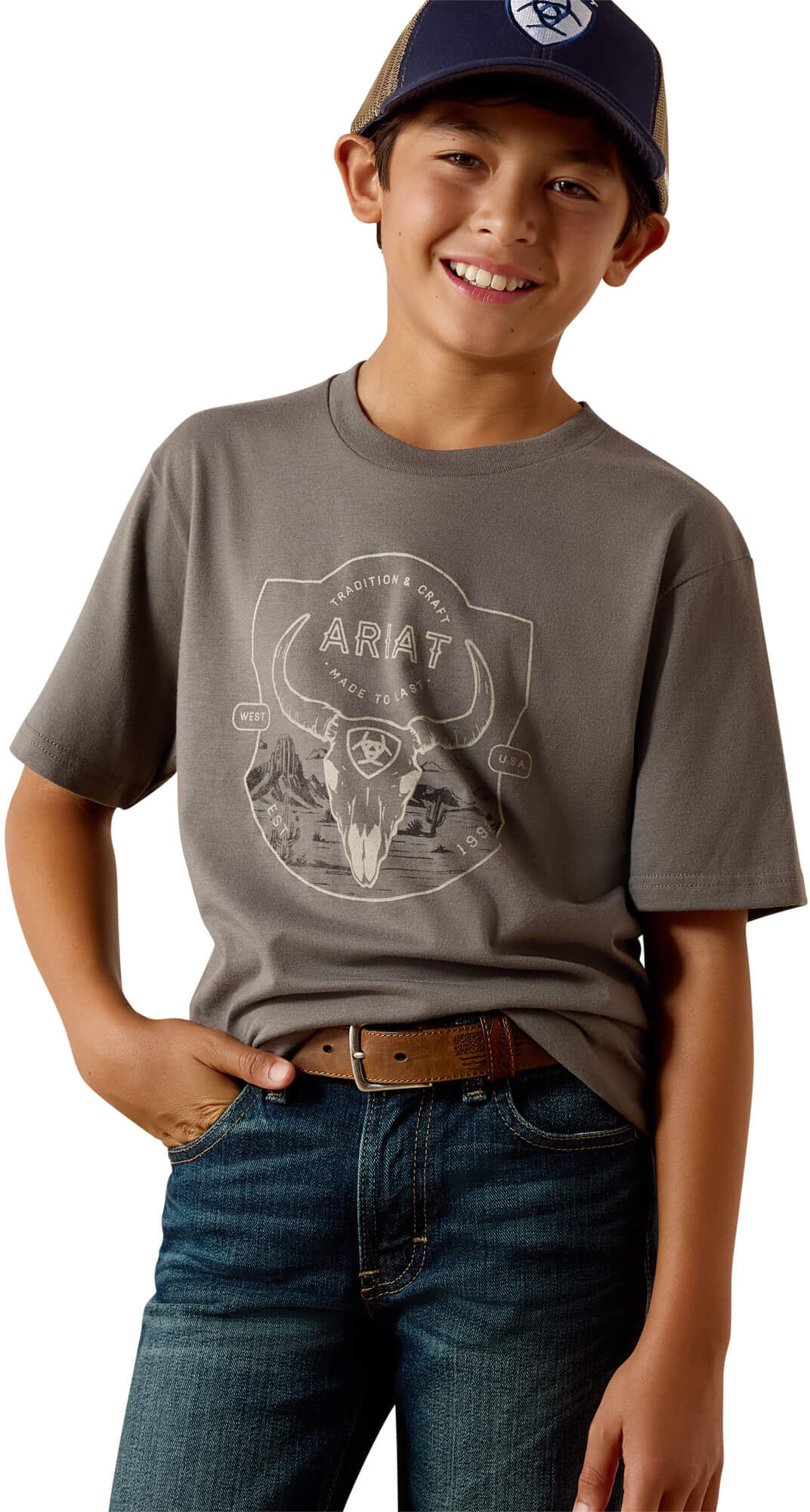
Kid's Desert Badge Tradition T-Shirt in Smoked Pearl, Size: XS by AriatA mini version of Dad's favorite tee—he'll want to throw this one on more days than not. Soft yet durable, it can withstand hard play and frequent washes. Kid's Desert Badge Tradition T-Shirt in Smoked Pearl, Size: XS by Ariat22,95 $*Shipping: 0,00 $Secure redirect to the provider
-
How can one forget culture and heritage?
One can forget culture and heritage by not actively engaging with it, by being disconnected from one's roots and community, and by prioritizing other aspects of life over preserving and celebrating one's cultural identity. This can happen through assimilation into a different culture, lack of exposure to one's own cultural traditions and practices, and a lack of interest in learning about one's heritage. Additionally, societal pressures and discrimination can also contribute to the erasure of one's culture and heritage. **
-
What is the difference between culture and tradition?
Culture refers to the beliefs, customs, arts, and social behaviors of a particular group of people, encompassing a broader range of practices and values. On the other hand, tradition specifically refers to the customs and practices that are passed down from generation to generation within a specific community or society. While culture is more dynamic and can evolve over time, traditions tend to be more static and rooted in history and heritage. **
-
What does Cuban cuisine and eating culture look like?
Cuban cuisine is a fusion of Spanish, African, and Caribbean influences, resulting in a diverse and flavorful culinary tradition. Common ingredients include rice, beans, plantains, and various meats such as pork and chicken. Popular dishes include ropa vieja (shredded beef), arroz con pollo (chicken with rice), and lechón asado (roast pork). Eating culture in Cuba is centered around family and community, with meals often being a social and communal experience. It is common for Cubans to share meals with extended family and friends, and food is an important part of social gatherings and celebrations. **
-
What is the meaning of tradition, culture, and identity?
Tradition refers to the customs, beliefs, and practices that are passed down from generation to generation within a community or society. Culture encompasses the shared values, beliefs, and behaviors of a particular group of people, including their language, art, music, and social norms. Identity is the sense of self and belonging that is shaped by one's cultural background, traditions, and experiences. Together, tradition, culture, and identity form the foundation of a person's sense of belonging and connection to their community and heritage. **
* All prices are inclusive of VAT and, if applicable, plus shipping costs. The offer information is based on the details provided by the respective shop and is updated through automated processes. Real-time updates do not occur, so deviations can occur in individual cases. ** Note: Parts of this content were created by AI.