Buy indi.co.uk ?
We are moving the project
indi.co.uk .
Are you interested in purchasing the domain
indi.co.uk ?
domain@kv-gmbh.de · 0541-91531010
Buy indi.co.uk ?
What does the training level and training plan look like for a beginner rower?
For a beginner rower, the training level typically starts with basic rowing techniques and building endurance. The training plan may include a mix of rowing on the water and indoor rowing machine sessions to develop proper form and technique. Beginners may start with shorter, less intense workouts and gradually increase the duration and intensity as they progress. Coaches may also incorporate strength training and flexibility exercises to support overall rowing performance and prevent injuries. **
How can one forget culture and heritage?
One can forget culture and heritage by not actively engaging with it, by being disconnected from one's roots and community, and by prioritizing other aspects of life over preserving and celebrating one's cultural identity. This can happen through assimilation into a different culture, lack of exposure to one's own cultural traditions and practices, and a lack of interest in learning about one's heritage. Additionally, societal pressures and discrimination can also contribute to the erasure of one's culture and heritage. **
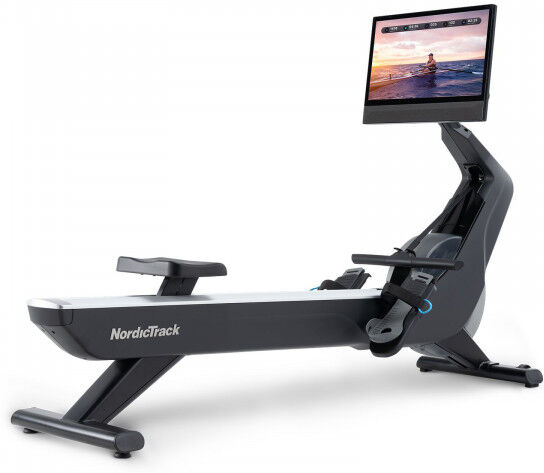
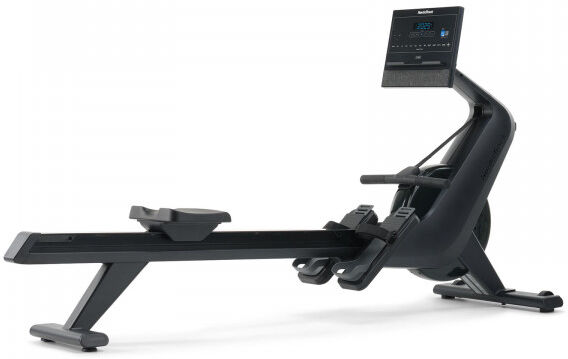
Similar search terms for NordicTrack-RW900-Rower
Top-Angebote
Products related to NordicTrack-RW900-Rower:
-
NordicTrack X24 Bike NordicTrack X24 Bike + NordicTrack Commercial 2450...REAL RIDING. REAL EFFORT. RIGHT AT HOME. The X24 replicates what outdoor riding actually feels like. The frame tilts with the incline and decline, shifting your body position the way a real climb or descent would. At 20% incline, you're out of the saddle. At -10% decline, your weight shifts...3999,00 £*Shipping: 0,00 £Secure redirect to the provider
-
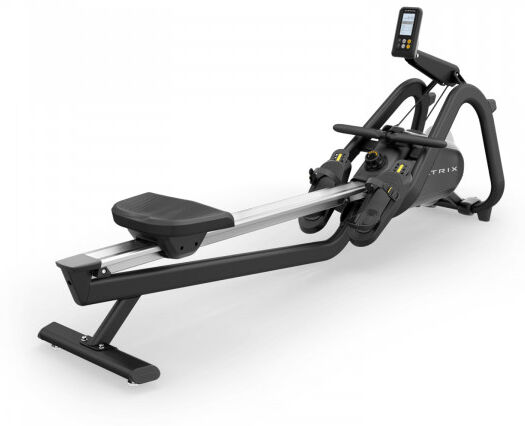
Matrix RowerTHE MATRIX ROWER The Matrix Rower features as adjustable, backlit console that makes it easy to access training programs and see complete workout data. Clearly defined quick keys provide instant access to integrated training programs. Thanks to a self-powered design, you can find a place for the...1794,00 £*Shipping: 0,00 £Secure redirect to the provider
-
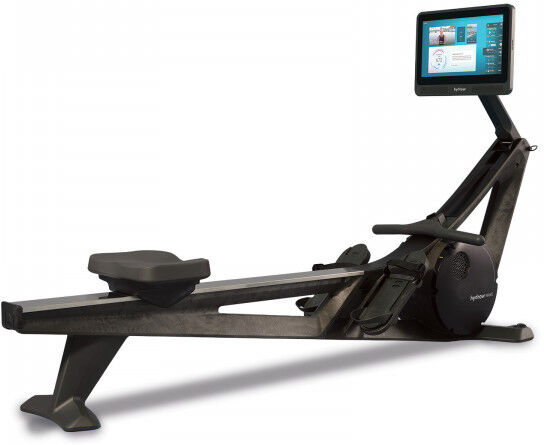
Hydrow Wave RowerTHE MOST DYNAMIC ROWER IN THE HYDROW FAMILY The Hydrow Wave is compact, colourful, and full of power. It’s about 30% smaller and lighter than the Origin, which makes it easier to fit into flats, smaller rooms, or multipurpose spaces at home. The patented electromagnetic drag system keeps every...1435,00 £*Shipping: 0,00 £Secure redirect to the provider
-
StairMaster HIIT RowerSTAIRMASTER HIIT ROWER: ACHIEVE PEAK FITNESS WITH ADVANCED ROWING TECHNOLOGY The StairMaster HIIT Rower combines advanced technology with durability and smart connectivity, offering a challenging yet accommodating workout experience that meets the needs of every fitness enthusiast. From the...1350,00 £*Shipping: 0,00 £Secure redirect to the provider


-
What is the difference between culture and tradition?
Culture refers to the beliefs, customs, arts, and social behaviors of a particular group of people, encompassing a broader range of practices and values. On the other hand, tradition specifically refers to the customs and practices that are passed down from generation to generation within a specific community or society. While culture is more dynamic and can evolve over time, traditions tend to be more static and rooted in history and heritage. **
-
What does Cuban cuisine and eating culture look like?
Cuban cuisine is a fusion of Spanish, African, and Caribbean influences, resulting in a diverse and flavorful culinary tradition. Common ingredients include rice, beans, plantains, and various meats such as pork and chicken. Popular dishes include ropa vieja (shredded beef), arroz con pollo (chicken with rice), and lechón asado (roast pork). Eating culture in Cuba is centered around family and community, with meals often being a social and communal experience. It is common for Cubans to share meals with extended family and friends, and food is an important part of social gatherings and celebrations. **
-
What is the meaning of tradition, culture, and identity?
Tradition refers to the customs, beliefs, and practices that are passed down from generation to generation within a community or society. Culture encompasses the shared values, beliefs, and behaviors of a particular group of people, including their language, art, music, and social norms. Identity is the sense of self and belonging that is shaped by one's cultural background, traditions, and experiences. Together, tradition, culture, and identity form the foundation of a person's sense of belonging and connection to their community and heritage. **
-
Should the religious heritage and Christian tradition of Europe be more clearly included in the European constitutional treaty?
The inclusion of religious heritage and Christian tradition in the European constitutional treaty is a complex and sensitive issue. While Europe has a rich history of Christian influence, it is also a diverse and secular society. Therefore, any inclusion of religious heritage should be done in a way that respects the diversity of beliefs and values within Europe. It is important to strike a balance that acknowledges the historical significance of Christianity while also upholding the principles of secularism and religious freedom. Ultimately, the decision should be made through careful consideration and dialogue among the diverse communities and stakeholders in Europe. **


What kind of topic is related to the future, tradition, culture, homeland, economy, and Germany?
A topic related to the future, tradition, culture, homeland, economy, and Germany could be the impact of globalization on German culture and economy. This topic would explore how traditional German customs and values are being influenced by globalization, and how the country's economy is adapting to the changing global landscape. It would also consider the future implications for Germany's cultural identity and economic stability in the face of globalization. **
Is East Asian cuisine more varied than European cuisine?
Both East Asian and European cuisines are incredibly varied, with each region offering a wide range of flavors, ingredients, and cooking techniques. East Asian cuisine encompasses the diverse culinary traditions of countries such as China, Japan, Korea, and Thailand, each with its own unique dishes and flavors. Similarly, European cuisine is incredibly varied, with distinct culinary traditions in countries like Italy, France, Spain, and Greece. Ultimately, the variety of both East Asian and European cuisines is a result of the rich diversity of ingredients, cooking methods, and cultural influences found within each region. **
Top-Angebote
Products related to NordicTrack-RW900-Rower:
-
NordicTrack RW900 RowerSERIOUS ROWING. SERIOUSLY QUIET. Rowing works your whole body in one go - legs, core, arms, shoulders, and back, all in a single smooth movement. The gliding motion is easy on the knees, ankles, and hips. 26 resistance levels give you plenty to play with - easy recovery rows through to hard...1599,00 £*Shipping: 0,00 £Secure redirect to the provider
-
NordicTrack X24 Bike NordicTrack X24 Bike + NordicTrack Commercial 2450...REAL RIDING. REAL EFFORT. RIGHT AT HOME. The X24 replicates what outdoor riding actually feels like. The frame tilts with the incline and decline, shifting your body position the way a real climb or descent would. At 20% incline, you're out of the saddle. At -10% decline, your weight shifts...3999,00 £*Shipping: 0,00 £Secure redirect to the provider
-
Matrix RowerTHE MATRIX ROWER The Matrix Rower features as adjustable, backlit console that makes it easy to access training programs and see complete workout data. Clearly defined quick keys provide instant access to integrated training programs. Thanks to a self-powered design, you can find a place for the...1794,00 £*Shipping: 0,00 £Secure redirect to the provider
-
What does the training level and training plan look like for a beginner rower?
For a beginner rower, the training level typically starts with basic rowing techniques and building endurance. The training plan may include a mix of rowing on the water and indoor rowing machine sessions to develop proper form and technique. Beginners may start with shorter, less intense workouts and gradually increase the duration and intensity as they progress. Coaches may also incorporate strength training and flexibility exercises to support overall rowing performance and prevent injuries. **
-
How can one forget culture and heritage?
One can forget culture and heritage by not actively engaging with it, by being disconnected from one's roots and community, and by prioritizing other aspects of life over preserving and celebrating one's cultural identity. This can happen through assimilation into a different culture, lack of exposure to one's own cultural traditions and practices, and a lack of interest in learning about one's heritage. Additionally, societal pressures and discrimination can also contribute to the erasure of one's culture and heritage. **
-
What is the difference between culture and tradition?
Culture refers to the beliefs, customs, arts, and social behaviors of a particular group of people, encompassing a broader range of practices and values. On the other hand, tradition specifically refers to the customs and practices that are passed down from generation to generation within a specific community or society. While culture is more dynamic and can evolve over time, traditions tend to be more static and rooted in history and heritage. **
-
What does Cuban cuisine and eating culture look like?
Cuban cuisine is a fusion of Spanish, African, and Caribbean influences, resulting in a diverse and flavorful culinary tradition. Common ingredients include rice, beans, plantains, and various meats such as pork and chicken. Popular dishes include ropa vieja (shredded beef), arroz con pollo (chicken with rice), and lechón asado (roast pork). Eating culture in Cuba is centered around family and community, with meals often being a social and communal experience. It is common for Cubans to share meals with extended family and friends, and food is an important part of social gatherings and celebrations. **
Similar search terms for NordicTrack-RW900-Rower
-
Hydrow Wave RowerTHE MOST DYNAMIC ROWER IN THE HYDROW FAMILY The Hydrow Wave is compact, colourful, and full of power. It’s about 30% smaller and lighter than the Origin, which makes it easier to fit into flats, smaller rooms, or multipurpose spaces at home. The patented electromagnetic drag system keeps every...1435,00 £*Shipping: 0,00 £Secure redirect to the provider
-
StairMaster HIIT RowerSTAIRMASTER HIIT ROWER: ACHIEVE PEAK FITNESS WITH ADVANCED ROWING TECHNOLOGY The StairMaster HIIT Rower combines advanced technology with durability and smart connectivity, offering a challenging yet accommodating workout experience that meets the needs of every fitness enthusiast. From the...1350,00 £*Shipping: 0,00 £Secure redirect to the provider
-
ProForm 550R RowerINTRODUCING THE PROFORM 550R The ProForm 550R Rower is a compact, interactive rowing machine powered by iFIT. This space-efficient rower features a tablet holder and eight magnetic resistance levels. The magnetic resistance can also automatically adjust to iFIT training sessions led by...349,00 £*Shipping: 0,00 £Secure redirect to the provider
-
Matrix RXP RowerTHE MATRIX RXP ROWER Make your facility stand out with the Matrix RXP Target Training Rower. The perfect addition to your circuit, group classes or cardio floor, it features a unique display and is specifically engineered for target training — measuring watts, 500-meter split, heart rate, SPMs,...2874,00 £*Shipping: 0,00 £Secure redirect to the provider
-
What is the meaning of tradition, culture, and identity?
Tradition refers to the customs, beliefs, and practices that are passed down from generation to generation within a community or society. Culture encompasses the shared values, beliefs, and behaviors of a particular group of people, including their language, art, music, and social norms. Identity is the sense of self and belonging that is shaped by one's cultural background, traditions, and experiences. Together, tradition, culture, and identity form the foundation of a person's sense of belonging and connection to their community and heritage. **
-
Should the religious heritage and Christian tradition of Europe be more clearly included in the European constitutional treaty?
The inclusion of religious heritage and Christian tradition in the European constitutional treaty is a complex and sensitive issue. While Europe has a rich history of Christian influence, it is also a diverse and secular society. Therefore, any inclusion of religious heritage should be done in a way that respects the diversity of beliefs and values within Europe. It is important to strike a balance that acknowledges the historical significance of Christianity while also upholding the principles of secularism and religious freedom. Ultimately, the decision should be made through careful consideration and dialogue among the diverse communities and stakeholders in Europe. **
-
What kind of topic is related to the future, tradition, culture, homeland, economy, and Germany?
A topic related to the future, tradition, culture, homeland, economy, and Germany could be the impact of globalization on German culture and economy. This topic would explore how traditional German customs and values are being influenced by globalization, and how the country's economy is adapting to the changing global landscape. It would also consider the future implications for Germany's cultural identity and economic stability in the face of globalization. **
-
Is East Asian cuisine more varied than European cuisine?
Both East Asian and European cuisines are incredibly varied, with each region offering a wide range of flavors, ingredients, and cooking techniques. East Asian cuisine encompasses the diverse culinary traditions of countries such as China, Japan, Korea, and Thailand, each with its own unique dishes and flavors. Similarly, European cuisine is incredibly varied, with distinct culinary traditions in countries like Italy, France, Spain, and Greece. Ultimately, the variety of both East Asian and European cuisines is a result of the rich diversity of ingredients, cooking methods, and cultural influences found within each region. **
* All prices are inclusive of VAT and, if applicable, plus shipping costs. The offer information is based on the details provided by the respective shop and is updated through automated processes. Real-time updates do not occur, so deviations can occur in individual cases. ** Note: Parts of this content were created by AI.