Buy indi.co.uk ?
We are moving the project
indi.co.uk .
Are you interested in purchasing the domain
indi.co.uk ?
domain@kv-gmbh.de · 0541-91531010
Buy indi.co.uk ?
What does "klutz" mean in Hebrew?
In Hebrew, "klutz" means a clumsy or awkward person. It is used to describe someone who is not very coordinated or graceful in their movements. The term is often used in a light-hearted or teasing manner to refer to someone who is accident-prone or prone to tripping or dropping things. **
How can one forget culture and heritage?
One can forget culture and heritage by not actively engaging with it, by being disconnected from one's roots and community, and by prioritizing other aspects of life over preserving and celebrating one's cultural identity. This can happen through assimilation into a different culture, lack of exposure to one's own cultural traditions and practices, and a lack of interest in learning about one's heritage. Additionally, societal pressures and discrimination can also contribute to the erasure of one's culture and heritage. **
Similar search terms for Klutz-Beadlings
Top-Angebote
Products related to Klutz-Beadlings:
-
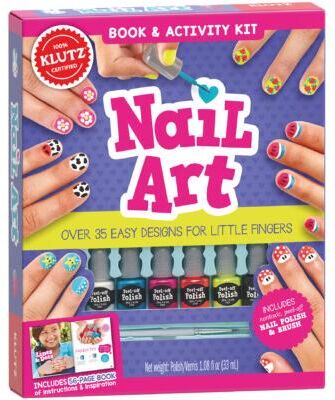
Klutz Nail ArtWith our six water-based, non-toxic, peel-off paints, kids can have style at their fingertips-not to mention bumblebees, berries, balloons, bears and bubbles-and that's just the beginning. From happy faces to spotted monsters, there's something here...21,99 $*Shipping: 0,00 $Secure redirect to the provider
-
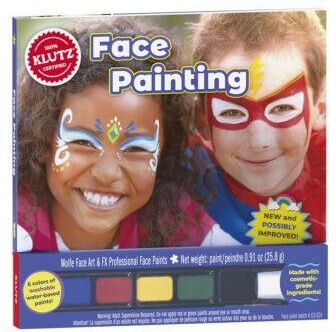
Klutz: Face PaintingA Klutz classic! For generations, the editors at Klutz have shown folks the easiest way ever to face paint. Follow crystal clear instructions to transform yourself into a character, have fun with your friends, or cheer your favorite team. The kit...26,99 $*Shipping: 0,00 $Secure redirect to the provider
-
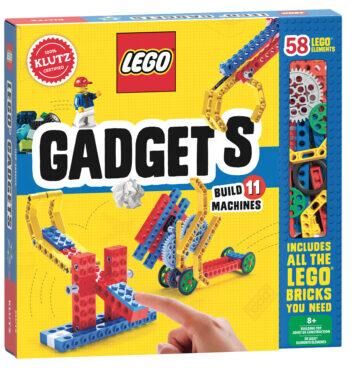
Klutz: LEGO GadgetsThis activity kit will have you building 11 machines including a gravity powered car and a wacky boxing robot. The fun doesn't stop once you've completed all of the projects in the book - open-ended prompts will inspire you to continue experimenting...24,99 $*Shipping: 0,00 $Secure redirect to the provider
-
Klutz: Nail Style StudioWhen we first published Nail Art, painting tiny designs on your fingernails was an only-from-Klutz kind of thing and strictly for young girls (ages 6-9). So we created a book of simple, cute designs, along with peel-off polish in a palette of sweet...24,99 $*Shipping: 0,00 $Secure redirect to the provider

-
What is the difference between culture and tradition?
Culture refers to the beliefs, customs, arts, and social behaviors of a particular group of people, encompassing a broader range of practices and values. On the other hand, tradition specifically refers to the customs and practices that are passed down from generation to generation within a specific community or society. While culture is more dynamic and can evolve over time, traditions tend to be more static and rooted in history and heritage. **
-
What does Cuban cuisine and eating culture look like?
Cuban cuisine is a fusion of Spanish, African, and Caribbean influences, resulting in a diverse and flavorful culinary tradition. Common ingredients include rice, beans, plantains, and various meats such as pork and chicken. Popular dishes include ropa vieja (shredded beef), arroz con pollo (chicken with rice), and lechón asado (roast pork). Eating culture in Cuba is centered around family and community, with meals often being a social and communal experience. It is common for Cubans to share meals with extended family and friends, and food is an important part of social gatherings and celebrations. **
-
What is the meaning of tradition, culture, and identity?
Tradition refers to the customs, beliefs, and practices that are passed down from generation to generation within a community or society. Culture encompasses the shared values, beliefs, and behaviors of a particular group of people, including their language, art, music, and social norms. Identity is the sense of self and belonging that is shaped by one's cultural background, traditions, and experiences. Together, tradition, culture, and identity form the foundation of a person's sense of belonging and connection to their community and heritage. **
-
Should the religious heritage and Christian tradition of Europe be more clearly included in the European constitutional treaty?
The inclusion of religious heritage and Christian tradition in the European constitutional treaty is a complex and sensitive issue. While Europe has a rich history of Christian influence, it is also a diverse and secular society. Therefore, any inclusion of religious heritage should be done in a way that respects the diversity of beliefs and values within Europe. It is important to strike a balance that acknowledges the historical significance of Christianity while also upholding the principles of secularism and religious freedom. Ultimately, the decision should be made through careful consideration and dialogue among the diverse communities and stakeholders in Europe. **
What kind of topic is related to the future, tradition, culture, homeland, economy, and Germany?
A topic related to the future, tradition, culture, homeland, economy, and Germany could be the impact of globalization on German culture and economy. This topic would explore how traditional German customs and values are being influenced by globalization, and how the country's economy is adapting to the changing global landscape. It would also consider the future implications for Germany's cultural identity and economic stability in the face of globalization. **
Is East Asian cuisine more varied than European cuisine?
Both East Asian and European cuisines are incredibly varied, with each region offering a wide range of flavors, ingredients, and cooking techniques. East Asian cuisine encompasses the diverse culinary traditions of countries such as China, Japan, Korea, and Thailand, each with its own unique dishes and flavors. Similarly, European cuisine is incredibly varied, with distinct culinary traditions in countries like Italy, France, Spain, and Greece. Ultimately, the variety of both East Asian and European cuisines is a result of the rich diversity of ingredients, cooking methods, and cultural influences found within each region. **
Top-Angebote
Products related to Klutz-Beadlings:
-
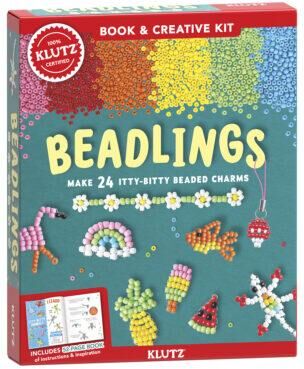
Klutz: BeadlingsIt's an itty-bitty beaded bonanza! With over 3,500 seed beads in 9 different colors, you can make 24 oh-so-small designs, including: watermelon, mushroom, lizard, flamingo, rainbow, and one seriously small strawberry. Did we mention the rubber...22,99 $*Shipping: 0,00 $Secure redirect to the provider
-
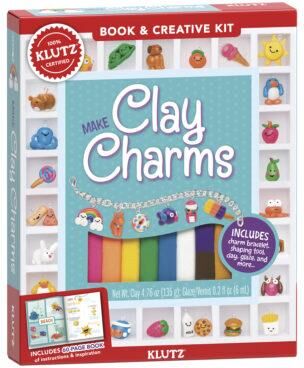
Klutz: Clay CharmsMake Clay Charms features simple step-by-steps for more than 30 different designs -- cute fruit, adorable animals, mini sweets, monsters, and tons more. Make your charms with the nine bright colors of clay, bake them, add shine (with our specially...22,99 $*Shipping: 0,00 $Secure redirect to the provider
-
Klutz Nail ArtWith our six water-based, non-toxic, peel-off paints, kids can have style at their fingertips-not to mention bumblebees, berries, balloons, bears and bubbles-and that's just the beginning. From happy faces to spotted monsters, there's something here...21,99 $*Shipping: 0,00 $Secure redirect to the provider
-
Klutz: Face PaintingA Klutz classic! For generations, the editors at Klutz have shown folks the easiest way ever to face paint. Follow crystal clear instructions to transform yourself into a character, have fun with your friends, or cheer your favorite team. The kit...26,99 $*Shipping: 0,00 $Secure redirect to the provider
-
What does "klutz" mean in Hebrew?
In Hebrew, "klutz" means a clumsy or awkward person. It is used to describe someone who is not very coordinated or graceful in their movements. The term is often used in a light-hearted or teasing manner to refer to someone who is accident-prone or prone to tripping or dropping things. **
-
How can one forget culture and heritage?
One can forget culture and heritage by not actively engaging with it, by being disconnected from one's roots and community, and by prioritizing other aspects of life over preserving and celebrating one's cultural identity. This can happen through assimilation into a different culture, lack of exposure to one's own cultural traditions and practices, and a lack of interest in learning about one's heritage. Additionally, societal pressures and discrimination can also contribute to the erasure of one's culture and heritage. **
-
What is the difference between culture and tradition?
Culture refers to the beliefs, customs, arts, and social behaviors of a particular group of people, encompassing a broader range of practices and values. On the other hand, tradition specifically refers to the customs and practices that are passed down from generation to generation within a specific community or society. While culture is more dynamic and can evolve over time, traditions tend to be more static and rooted in history and heritage. **
-
What does Cuban cuisine and eating culture look like?
Cuban cuisine is a fusion of Spanish, African, and Caribbean influences, resulting in a diverse and flavorful culinary tradition. Common ingredients include rice, beans, plantains, and various meats such as pork and chicken. Popular dishes include ropa vieja (shredded beef), arroz con pollo (chicken with rice), and lechón asado (roast pork). Eating culture in Cuba is centered around family and community, with meals often being a social and communal experience. It is common for Cubans to share meals with extended family and friends, and food is an important part of social gatherings and celebrations. **
Similar search terms for Klutz-Beadlings
-
Klutz: LEGO GadgetsThis activity kit will have you building 11 machines including a gravity powered car and a wacky boxing robot. The fun doesn't stop once you've completed all of the projects in the book - open-ended prompts will inspire you to continue experimenting...24,99 $*Shipping: 0,00 $Secure redirect to the provider
-
Klutz: Nail Style StudioWhen we first published Nail Art, painting tiny designs on your fingernails was an only-from-Klutz kind of thing and strictly for young girls (ages 6-9). So we created a book of simple, cute designs, along with peel-off polish in a palette of sweet...24,99 $*Shipping: 0,00 $Secure redirect to the provider
-
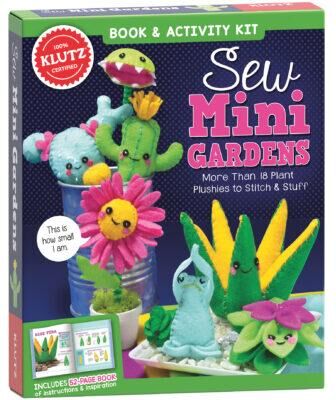
Klutz: Sew Mini GardensWe're digging these four gardens full of felt friends! Watch your sewing skill bloom as you stitch 18 different plants and garden friends. You'll learn how to make cuddly cacti, sweet succulents, cute carnivorous plants, a variety of bugs, and even...22,99 $*Shipping: 0,00 $Secure redirect to the provider
-
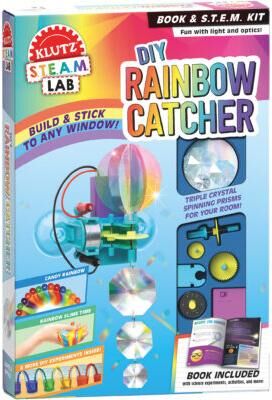
Klutz: DIY Rainbow CatcherThis clever snap-together rainbow maker catches sunlight and projects tiny rainbows into your room like a disco ball. The included book is chockfull of information about how rainbows form: the science of sunlight, prisms, and the very special...24,99 $*Shipping: 0,00 $Secure redirect to the provider
-
What is the meaning of tradition, culture, and identity?
Tradition refers to the customs, beliefs, and practices that are passed down from generation to generation within a community or society. Culture encompasses the shared values, beliefs, and behaviors of a particular group of people, including their language, art, music, and social norms. Identity is the sense of self and belonging that is shaped by one's cultural background, traditions, and experiences. Together, tradition, culture, and identity form the foundation of a person's sense of belonging and connection to their community and heritage. **
-
Should the religious heritage and Christian tradition of Europe be more clearly included in the European constitutional treaty?
The inclusion of religious heritage and Christian tradition in the European constitutional treaty is a complex and sensitive issue. While Europe has a rich history of Christian influence, it is also a diverse and secular society. Therefore, any inclusion of religious heritage should be done in a way that respects the diversity of beliefs and values within Europe. It is important to strike a balance that acknowledges the historical significance of Christianity while also upholding the principles of secularism and religious freedom. Ultimately, the decision should be made through careful consideration and dialogue among the diverse communities and stakeholders in Europe. **
-
What kind of topic is related to the future, tradition, culture, homeland, economy, and Germany?
A topic related to the future, tradition, culture, homeland, economy, and Germany could be the impact of globalization on German culture and economy. This topic would explore how traditional German customs and values are being influenced by globalization, and how the country's economy is adapting to the changing global landscape. It would also consider the future implications for Germany's cultural identity and economic stability in the face of globalization. **
-
Is East Asian cuisine more varied than European cuisine?
Both East Asian and European cuisines are incredibly varied, with each region offering a wide range of flavors, ingredients, and cooking techniques. East Asian cuisine encompasses the diverse culinary traditions of countries such as China, Japan, Korea, and Thailand, each with its own unique dishes and flavors. Similarly, European cuisine is incredibly varied, with distinct culinary traditions in countries like Italy, France, Spain, and Greece. Ultimately, the variety of both East Asian and European cuisines is a result of the rich diversity of ingredients, cooking methods, and cultural influences found within each region. **
* All prices are inclusive of VAT and, if applicable, plus shipping costs. The offer information is based on the details provided by the respective shop and is updated through automated processes. Real-time updates do not occur, so deviations can occur in individual cases. ** Note: Parts of this content were created by AI.