Buy indi.co.uk ?
We are moving the project
indi.co.uk .
Are you interested in purchasing the domain
indi.co.uk ?
domain@kv-gmbh.de · 0541-91531010
Buy indi.co.uk ?
How can one improve the basic gaits?
One can improve the basic gaits of a horse through consistent training and conditioning. This includes exercises to improve balance, strength, and flexibility, as well as developing a consistent rhythm and tempo. Working with a knowledgeable trainer or instructor can also help identify and address any issues that may be hindering the horse's gaits. Additionally, ensuring proper hoof care, saddle fit, and overall health and wellness of the horse can contribute to improved gaits. **
What are the gaits for Icelandic horses?
Icelandic horses are known for their unique gaits, which include the walk, trot, tölt, and flying pace. The walk is a four-beat gait, while the trot is a two-beat diagonal gait. The tölt is a smooth four-beat gait that is often described as a mix between a walk and a trot, and is unique to Icelandic horses. The flying pace is a two-beat lateral gait in which the horse moves both legs on one side of its body at the same time. These gaits make Icelandic horses well-suited for long-distance riding and have contributed to their popularity as a versatile and comfortable breed. **


Similar search terms for Gaits
Top-Angebote
Products related to Gaits:
-
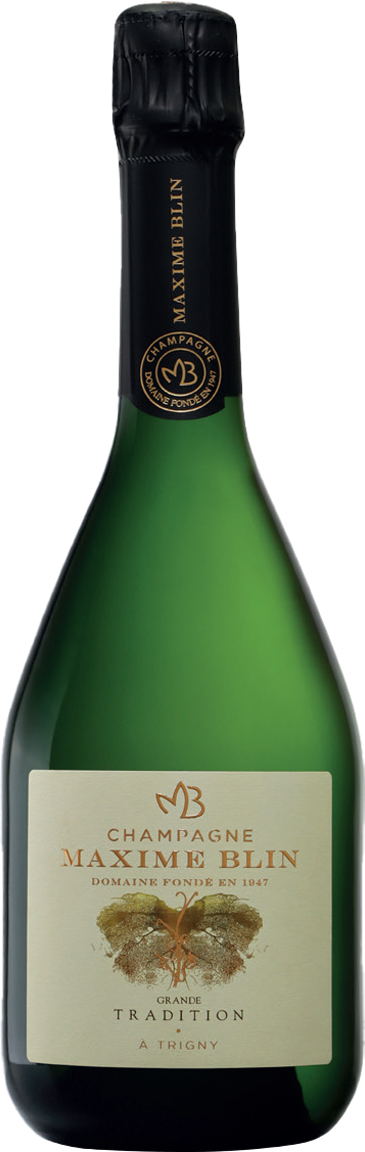
Champagne Brut 'Grande Tradition' Maxime BlinThe 'Grande Tradition' Brut Champagne from the French company Maxime Blin is a Champagne with a classic and refined style, reflecting the identity of the winery. This label is part of the 'Les Fondamentales' collection, a selection that brings together historical cuvées that fully embody the style of the Blin family, each focusing on a specific grape variety. In this particular case, the 'Grande Tradition' highlights the qualities of the Chardonnay cultivated in the Trigny area.The 'Grande Tradition' Maxime Blin Champagne comes from a blend of Chardonnay (90%) and Pinot Noir (10%) grapes grown under certified organic cultivation in the village of Trigny, within the Montagne de Reims area. Here, the vines enjoy excellent southern and south-eastern exposure and the sandy, clay-limestone soil matrix. Following the harvest, the grapes are subjected to a gentle pressing using a Coquard press, with the must thus obtained being transferred to stainless steel tanks for temperature-controlled alcoholic fermentation and subsequent complete malolactic fermentation. The vintage wine is then combined with 30% vins de réserve before bottle fermentation according to the Champenoise Method, combined with 36 months of maturation sur lattes. This is followed by dégorgement and final dosage as Extra Brut, with 4 g/l residual sugar.The 'Grande Tradition' Champagne Maxime Blin has a luminous straw yellow colour with a fine and persistent perlage. The aromatic bouquet expresses fragrant scents of citrus fruits and white flowers, surrounded by memories of bakery and mineral nuances. The taste is fresh, elegant and balanced, with a pleasant savoury trail that rests on a long citrus and mineral finish.57,00 £*Shipping: 48,00 £Secure redirect to the provider
-
Les Jardins LED path light Tradition Sensor Corten 90cm Tradition, dimmable, Brown / rust, Aluminium, Modern, outdoor solar lightsThe LED path light Tradition made of aluminum shows a modern cuboid shape and rust-brown corten steel finish. It can be operated autonomously thanks to equipment with solar module, rechargeable battery and motion sensor.- equipped with dimming function- operating time when fully charged: 5 h to 200 h (depending on light output)- protection class: IP66- alternatively rechargeable via USB connection- via ground spike (included) or permanently installable398,43 £*Shipping: 4,99 £Secure redirect to the provider
-
NCAA School Tradition Silk Touch Throw Blanket"Wrap yourself in the essence of team spirit with our NCAA ""School Tradition"" Silky Soft Silk Touch Blanket. Crafted from 100% polyester, this blanket offers a luxurious and smooth touch that's ideal for showcasing your unwavering loyalty."41,49 $*Shipping: 0,00 $Secure redirect to the provider


-
How can one achieve lively gaits in a horse?
To achieve lively gaits in a horse, it is important to focus on the horse's fitness, balance, and suppleness. Regular exercise, including a combination of flatwork, lunging, and hill work, can help improve the horse's strength and overall fitness, leading to more lively and energetic gaits. Additionally, proper training and consistent practice of transitions, collection, and extension can help improve the horse's balance and suppleness, resulting in more expressive and lively gaits. Finally, ensuring that the horse is comfortable and free from any physical discomfort or pain is essential for achieving lively gaits. Regular veterinary check-ups, proper saddle fit, and appropriate hoof care are all important factors to consider. **
-
What are the names of the gaits in Western riding?
In Western riding, the gaits are typically referred to as walk, jog, lope, and gallop. The walk is a slow, relaxed gait, while the jog is a faster, smooth gait. The lope is a three-beat gait that is similar to the canter in English riding, and the gallop is the fastest gait, with all four legs off the ground at certain points in the stride. These gaits are used in Western riding for different purposes, such as maneuvering cattle or performing in Western riding competitions. **
-
Which gaits are still acceptable for riding an old horse?
For an old horse, the most acceptable gaits for riding are the walk and the trot. These gaits are less strenuous on the horse's body and joints compared to the canter or gallop. The walk provides gentle exercise and can help maintain the horse's mobility, while the trot can provide a bit more activity without putting too much strain on the horse. It's important to monitor the horse's comfort and adjust the riding routine accordingly as they age. **
-
How do you ride the special gaits of a Missouri Foxtrotter?
To ride the special gaits of a Missouri Foxtrotter, you should sit deep in the saddle with a relaxed posture and maintain a light contact with the horse's mouth. Start by asking for a slow foxtrot by giving subtle cues with your seat and legs, encouraging the horse to engage its hindquarters and lift its front end. To transition to the faster foxtrot gait, increase your energy and ask for more impulsion from the horse while keeping a steady rhythm. Practice and patience are key to mastering the unique gaits of the Missouri Foxtrotter. **


How can one get a horse to have such expansive gaits?
To get a horse to have expansive gaits, it is important to focus on the horse's physical conditioning and training. This includes exercises to improve the horse's strength, flexibility, and balance, as well as developing their natural movement and stride length. Additionally, proper riding techniques and cues from the rider can also help encourage the horse to use their body in a way that promotes expansive gaits. Consistent and patient training, along with proper care and management, are essential in developing a horse's ability to perform expansive gaits. **
Does my Icelandic horse necessarily need a gaited shoe with 4 gaits?
Not necessarily. While Icelandic horses are known for their unique ability to perform four natural gaits (walk, trot, tölt, and flying pace), not all Icelandic horses will naturally perform all four gaits. Some Icelandic horses may naturally perform only three of the four gaits, while others may need training to develop their gait abilities. Whether or not your Icelandic horse needs a gaited shoe with 4 gaits will depend on its natural abilities and the specific activities you plan to engage in with your horse. Consulting with a knowledgeable farrier or trainer can help determine the best shoeing options for your Icelandic horse. **
Top-Angebote
Products related to Gaits:
-
RLF Home Tradition Provance Valance"Fits Windows up to 50""W. Use multiples for Wider Windows. Decorator's quality fabrics. Fully lined with Poly/Cotton Ivory lining. Use a 2-1/2"" Continental Rod, a regular 3/4"" Curtain rod, Tension rod or Decorative pole no more than 1-3/8"" Diameter."64,49 $*Shipping: 0,00 $Secure redirect to the provider
-
Champagne Brut 'Grande Tradition' Maxime BlinThe 'Grande Tradition' Brut Champagne from the French company Maxime Blin is a Champagne with a classic and refined style, reflecting the identity of the winery. This label is part of the 'Les Fondamentales' collection, a selection that brings together historical cuvées that fully embody the style of the Blin family, each focusing on a specific grape variety. In this particular case, the 'Grande Tradition' highlights the qualities of the Chardonnay cultivated in the Trigny area.The 'Grande Tradition' Maxime Blin Champagne comes from a blend of Chardonnay (90%) and Pinot Noir (10%) grapes grown under certified organic cultivation in the village of Trigny, within the Montagne de Reims area. Here, the vines enjoy excellent southern and south-eastern exposure and the sandy, clay-limestone soil matrix. Following the harvest, the grapes are subjected to a gentle pressing using a Coquard press, with the must thus obtained being transferred to stainless steel tanks for temperature-controlled alcoholic fermentation and subsequent complete malolactic fermentation. The vintage wine is then combined with 30% vins de réserve before bottle fermentation according to the Champenoise Method, combined with 36 months of maturation sur lattes. This is followed by dégorgement and final dosage as Extra Brut, with 4 g/l residual sugar.The 'Grande Tradition' Champagne Maxime Blin has a luminous straw yellow colour with a fine and persistent perlage. The aromatic bouquet expresses fragrant scents of citrus fruits and white flowers, surrounded by memories of bakery and mineral nuances. The taste is fresh, elegant and balanced, with a pleasant savoury trail that rests on a long citrus and mineral finish.57,00 £*Shipping: 48,00 £Secure redirect to the provider
-
Les Jardins LED path light Tradition Sensor Corten 90cm Tradition, dimmable, Brown / rust, Aluminium, Modern, outdoor solar lightsThe LED path light Tradition made of aluminum shows a modern cuboid shape and rust-brown corten steel finish. It can be operated autonomously thanks to equipment with solar module, rechargeable battery and motion sensor.- equipped with dimming function- operating time when fully charged: 5 h to 200 h (depending on light output)- protection class: IP66- alternatively rechargeable via USB connection- via ground spike (included) or permanently installable398,43 £*Shipping: 4,99 £Secure redirect to the provider
-
How can one improve the basic gaits?
One can improve the basic gaits of a horse through consistent training and conditioning. This includes exercises to improve balance, strength, and flexibility, as well as developing a consistent rhythm and tempo. Working with a knowledgeable trainer or instructor can also help identify and address any issues that may be hindering the horse's gaits. Additionally, ensuring proper hoof care, saddle fit, and overall health and wellness of the horse can contribute to improved gaits. **
-
What are the gaits for Icelandic horses?
Icelandic horses are known for their unique gaits, which include the walk, trot, tölt, and flying pace. The walk is a four-beat gait, while the trot is a two-beat diagonal gait. The tölt is a smooth four-beat gait that is often described as a mix between a walk and a trot, and is unique to Icelandic horses. The flying pace is a two-beat lateral gait in which the horse moves both legs on one side of its body at the same time. These gaits make Icelandic horses well-suited for long-distance riding and have contributed to their popularity as a versatile and comfortable breed. **
-
How can one achieve lively gaits in a horse?
To achieve lively gaits in a horse, it is important to focus on the horse's fitness, balance, and suppleness. Regular exercise, including a combination of flatwork, lunging, and hill work, can help improve the horse's strength and overall fitness, leading to more lively and energetic gaits. Additionally, proper training and consistent practice of transitions, collection, and extension can help improve the horse's balance and suppleness, resulting in more expressive and lively gaits. Finally, ensuring that the horse is comfortable and free from any physical discomfort or pain is essential for achieving lively gaits. Regular veterinary check-ups, proper saddle fit, and appropriate hoof care are all important factors to consider. **
-
What are the names of the gaits in Western riding?
In Western riding, the gaits are typically referred to as walk, jog, lope, and gallop. The walk is a slow, relaxed gait, while the jog is a faster, smooth gait. The lope is a three-beat gait that is similar to the canter in English riding, and the gallop is the fastest gait, with all four legs off the ground at certain points in the stride. These gaits are used in Western riding for different purposes, such as maneuvering cattle or performing in Western riding competitions. **
Similar search terms for Gaits
-
NCAA School Tradition Silk Touch Throw Blanket"Wrap yourself in the essence of team spirit with our NCAA ""School Tradition"" Silky Soft Silk Touch Blanket. Crafted from 100% polyester, this blanket offers a luxurious and smooth touch that's ideal for showcasing your unwavering loyalty."41,49 $*Shipping: 0,00 $Secure redirect to the provider
-
NCAA School Tradition Silk Touch Throw Blanket"Wrap yourself in the essence of team spirit with our NCAA ""School Tradition"" Silky Soft Silk Touch Blanket. Crafted from 100% polyester, this blanket offers a luxurious and smooth touch that's ideal for showcasing your unwavering loyalty."49,99 $*Shipping: 0,00 $Secure redirect to the provider
-
NCAA School Tradition Silk Touch Throw Blanket"Wrap yourself in the essence of team spirit with our NCAA ""School Tradition"" Silky Soft Silk Touch Blanket. Crafted from 100% polyester, this blanket offers a luxurious and smooth touch that's ideal for showcasing your unwavering loyalty."49,99 $*Shipping: 0,00 $Secure redirect to the provider
-
Which gaits are still acceptable for riding an old horse?
For an old horse, the most acceptable gaits for riding are the walk and the trot. These gaits are less strenuous on the horse's body and joints compared to the canter or gallop. The walk provides gentle exercise and can help maintain the horse's mobility, while the trot can provide a bit more activity without putting too much strain on the horse. It's important to monitor the horse's comfort and adjust the riding routine accordingly as they age. **
-
How do you ride the special gaits of a Missouri Foxtrotter?
To ride the special gaits of a Missouri Foxtrotter, you should sit deep in the saddle with a relaxed posture and maintain a light contact with the horse's mouth. Start by asking for a slow foxtrot by giving subtle cues with your seat and legs, encouraging the horse to engage its hindquarters and lift its front end. To transition to the faster foxtrot gait, increase your energy and ask for more impulsion from the horse while keeping a steady rhythm. Practice and patience are key to mastering the unique gaits of the Missouri Foxtrotter. **
-
How can one get a horse to have such expansive gaits?
To get a horse to have expansive gaits, it is important to focus on the horse's physical conditioning and training. This includes exercises to improve the horse's strength, flexibility, and balance, as well as developing their natural movement and stride length. Additionally, proper riding techniques and cues from the rider can also help encourage the horse to use their body in a way that promotes expansive gaits. Consistent and patient training, along with proper care and management, are essential in developing a horse's ability to perform expansive gaits. **
-
Does my Icelandic horse necessarily need a gaited shoe with 4 gaits?
Not necessarily. While Icelandic horses are known for their unique ability to perform four natural gaits (walk, trot, tölt, and flying pace), not all Icelandic horses will naturally perform all four gaits. Some Icelandic horses may naturally perform only three of the four gaits, while others may need training to develop their gait abilities. Whether or not your Icelandic horse needs a gaited shoe with 4 gaits will depend on its natural abilities and the specific activities you plan to engage in with your horse. Consulting with a knowledgeable farrier or trainer can help determine the best shoeing options for your Icelandic horse. **
* All prices are inclusive of VAT and, if applicable, plus shipping costs. The offer information is based on the details provided by the respective shop and is updated through automated processes. Real-time updates do not occur, so deviations can occur in individual cases. ** Note: Parts of this content were created by AI.