Buy indi.co.uk ?
We are moving the project
indi.co.uk .
Are you interested in purchasing the domain
indi.co.uk ?
domain@kv-gmbh.de · 0541-91531010
Buy indi.co.uk ?
How do you distinguish enantiomers?
Enantiomers are molecules that are mirror images of each other but cannot be superimposed on each other. They have the same physical and chemical properties, except for their interaction with plane-polarized light. Enantiomers rotate plane-polarized light in opposite directions, either clockwise (dextrorotatory) or counterclockwise (levorotatory). This property is known as optical activity and is used to distinguish enantiomers in a laboratory setting. **
What are enantiomers and diastereomers?
Enantiomers are a type of stereoisomer that are non-superimposable mirror images of each other. This means that they have the same connectivity of atoms, but their spatial arrangement is such that they cannot be aligned with their mirror image. Diastereomers, on the other hand, are stereoisomers that are not mirror images of each other. This means that they have different connectivity of atoms and different spatial arrangements, resulting in different physical and chemical properties. Both enantiomers and diastereomers are important in the field of organic chemistry and can have different biological activities and effects. **


Similar search terms for Enantiomers
Top-Angebote
Products related to Enantiomers:
-
Novica Handmade Tradition Of The Heart Basalt BowlPrepare herbs, spices and sauces the way our ancestors did--with handmade stone tools. The Comonfort Group presents this heart-shaped basalt bowl, crafted by hand in a labor-intensive process.132,98 $*Shipping: 0,00 $Secure redirect to the provider
-
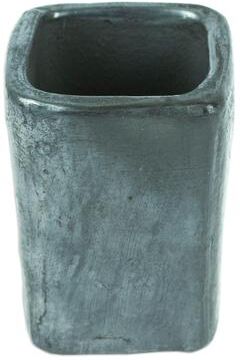
Novida Novica Handmade Festive Tradition Barro Negro Shot GlassMexico's Fernando and Magali Pedro craft a unique creation from traditional barro negro ceramic. After a long and detailed process, this high-quality shot glass is ready to be that elegant item you need for your parties.28,48 $*Shipping: 0,00 $Secure redirect to the provider



-
How can enantiomers be recognized?
Enantiomers can be recognized by their ability to rotate plane-polarized light in opposite directions. This property is known as optical activity, and enantiomers are referred to as being either dextrorotatory (rotating light to the right) or levorotatory (rotating light to the left). Another method for recognizing enantiomers is through their interactions with other chiral molecules, such as in chiral chromatography or chiral shift reagents in NMR spectroscopy. Additionally, enantiomers may exhibit different physical properties, such as melting points or boiling points, which can be used to differentiate them. **
-
What are the differences between enantiomers?
Enantiomers are molecules that are mirror images of each other but cannot be superimposed onto each other. They have the same physical and chemical properties, such as melting point and boiling point, but they interact differently with polarized light and other chiral molecules. Enantiomers also have different biological activities, as they can interact differently with enzymes and receptors in the body. These differences in biological activity can have important implications in pharmaceuticals and drug development. **
-
What are enantiomers, diastereomers, or something else?
Enantiomers are a type of stereoisomer that are non-superimposable mirror images of each other. They have the same connectivity of atoms but differ in their spatial arrangement. Diastereomers, on the other hand, are stereoisomers that are not mirror images of each other and have different physical and chemical properties. They arise when molecules have multiple chiral centers and differ in their configuration at some, but not all, of these centers. These terms are used to describe different types of stereoisomers based on their relationship in three-dimensional space. **
-
How do enantiomers behave in polarimetric investigations?
Enantiomers behave differently in polarimetric investigations because they rotate plane-polarized light in opposite directions. This property is known as optical activity, and it is a result of the different spatial arrangement of atoms in the molecules. When enantiomers are placed in a polarimeter, they will cause the plane of polarized light to rotate either to the left (levorotatory) or to the right (dextrorotatory) by the same amount but in opposite directions. This property allows scientists to distinguish between enantiomers and determine their purity in a sample. **


What is the difference between enantiomers and chirality?
Enantiomers are a type of stereoisomer, meaning they have the same molecular formula and connectivity, but differ in the spatial arrangement of their atoms. Enantiomers are non-superimposable mirror images of each other, meaning they are identical in every way except for their orientation in 3D space. Chirality, on the other hand, refers to the property of a molecule that makes it non-superimposable on its mirror image. In other words, a molecule is chiral if it cannot be rotated or flipped to match its mirror image. Enantiomers are a specific example of chirality, where two molecules are chiral and non-superimposable mirror images of each other. **
How can one forget culture and heritage?
One can forget culture and heritage by not actively engaging with it, by being disconnected from one's roots and community, and by prioritizing other aspects of life over preserving and celebrating one's cultural identity. This can happen through assimilation into a different culture, lack of exposure to one's own cultural traditions and practices, and a lack of interest in learning about one's heritage. Additionally, societal pressures and discrimination can also contribute to the erasure of one's culture and heritage. **
Top-Angebote
Products related to Enantiomers:
-
RLF Home Tradition Provance Valance"Fits Windows up to 50""W. Use multiples for Wider Windows. Decorator's quality fabrics. Fully lined with Poly/Cotton Ivory lining. Use a 2-1/2"" Continental Rod, a regular 3/4"" Curtain rod, Tension rod or Decorative pole no more than 1-3/8"" Diameter."64,49 $*Shipping: 0,00 $Secure redirect to the provider
-
Les Jardins LED path light Tradition Sensor Corten 90cm Tradition, dimmable, Brown / rust, Aluminium, Modern, outdoor solar lightsThe LED path light Tradition made of aluminum shows a modern cuboid shape and rust-brown corten steel finish. It can be operated autonomously thanks to equipment with solar module, rechargeable battery and motion sensor.- equipped with dimming function- operating time when fully charged: 5 h to 200 h (depending on light output)- protection class: IP66- alternatively rechargeable via USB connection- via ground spike (included) or permanently installable398,43 £*Shipping: 4,99 £Secure redirect to the provider
-
Novica Handmade Tradition Of The Heart Basalt BowlPrepare herbs, spices and sauces the way our ancestors did--with handmade stone tools. The Comonfort Group presents this heart-shaped basalt bowl, crafted by hand in a labor-intensive process.132,98 $*Shipping: 0,00 $Secure redirect to the provider
-
Novida Novica Handmade Festive Tradition Barro Negro Shot GlassMexico's Fernando and Magali Pedro craft a unique creation from traditional barro negro ceramic. After a long and detailed process, this high-quality shot glass is ready to be that elegant item you need for your parties.28,48 $*Shipping: 0,00 $Secure redirect to the provider
-
How do you distinguish enantiomers?
Enantiomers are molecules that are mirror images of each other but cannot be superimposed on each other. They have the same physical and chemical properties, except for their interaction with plane-polarized light. Enantiomers rotate plane-polarized light in opposite directions, either clockwise (dextrorotatory) or counterclockwise (levorotatory). This property is known as optical activity and is used to distinguish enantiomers in a laboratory setting. **
-
What are enantiomers and diastereomers?
Enantiomers are a type of stereoisomer that are non-superimposable mirror images of each other. This means that they have the same connectivity of atoms, but their spatial arrangement is such that they cannot be aligned with their mirror image. Diastereomers, on the other hand, are stereoisomers that are not mirror images of each other. This means that they have different connectivity of atoms and different spatial arrangements, resulting in different physical and chemical properties. Both enantiomers and diastereomers are important in the field of organic chemistry and can have different biological activities and effects. **
-
How can enantiomers be recognized?
Enantiomers can be recognized by their ability to rotate plane-polarized light in opposite directions. This property is known as optical activity, and enantiomers are referred to as being either dextrorotatory (rotating light to the right) or levorotatory (rotating light to the left). Another method for recognizing enantiomers is through their interactions with other chiral molecules, such as in chiral chromatography or chiral shift reagents in NMR spectroscopy. Additionally, enantiomers may exhibit different physical properties, such as melting points or boiling points, which can be used to differentiate them. **
-
What are the differences between enantiomers?
Enantiomers are molecules that are mirror images of each other but cannot be superimposed onto each other. They have the same physical and chemical properties, such as melting point and boiling point, but they interact differently with polarized light and other chiral molecules. Enantiomers also have different biological activities, as they can interact differently with enzymes and receptors in the body. These differences in biological activity can have important implications in pharmaceuticals and drug development. **
Similar search terms for Enantiomers
-
What are enantiomers, diastereomers, or something else?
Enantiomers are a type of stereoisomer that are non-superimposable mirror images of each other. They have the same connectivity of atoms but differ in their spatial arrangement. Diastereomers, on the other hand, are stereoisomers that are not mirror images of each other and have different physical and chemical properties. They arise when molecules have multiple chiral centers and differ in their configuration at some, but not all, of these centers. These terms are used to describe different types of stereoisomers based on their relationship in three-dimensional space. **
-
How do enantiomers behave in polarimetric investigations?
Enantiomers behave differently in polarimetric investigations because they rotate plane-polarized light in opposite directions. This property is known as optical activity, and it is a result of the different spatial arrangement of atoms in the molecules. When enantiomers are placed in a polarimeter, they will cause the plane of polarized light to rotate either to the left (levorotatory) or to the right (dextrorotatory) by the same amount but in opposite directions. This property allows scientists to distinguish between enantiomers and determine their purity in a sample. **
-
What is the difference between enantiomers and chirality?
Enantiomers are a type of stereoisomer, meaning they have the same molecular formula and connectivity, but differ in the spatial arrangement of their atoms. Enantiomers are non-superimposable mirror images of each other, meaning they are identical in every way except for their orientation in 3D space. Chirality, on the other hand, refers to the property of a molecule that makes it non-superimposable on its mirror image. In other words, a molecule is chiral if it cannot be rotated or flipped to match its mirror image. Enantiomers are a specific example of chirality, where two molecules are chiral and non-superimposable mirror images of each other. **
-
How can one forget culture and heritage?
One can forget culture and heritage by not actively engaging with it, by being disconnected from one's roots and community, and by prioritizing other aspects of life over preserving and celebrating one's cultural identity. This can happen through assimilation into a different culture, lack of exposure to one's own cultural traditions and practices, and a lack of interest in learning about one's heritage. Additionally, societal pressures and discrimination can also contribute to the erasure of one's culture and heritage. **
* All prices are inclusive of VAT and, if applicable, plus shipping costs. The offer information is based on the details provided by the respective shop and is updated through automated processes. Real-time updates do not occur, so deviations can occur in individual cases. ** Note: Parts of this content were created by AI.