Buy indi.co.uk ?
We are moving the project
indi.co.uk .
Are you interested in purchasing the domain
indi.co.uk ?
domain@kv-gmbh.de · 0541-91531010
Buy indi.co.uk ?
Can stackable stones promote cognition?
Stackable stones can potentially promote cognition by engaging the brain in problem-solving tasks, improving spatial awareness, and enhancing hand-eye coordination. The act of stacking stones requires focus, concentration, and planning, which can help stimulate cognitive functions. Additionally, the tactile experience of handling the stones can provide sensory feedback that may benefit cognitive development. Overall, incorporating stackable stones into activities or games can be a fun and beneficial way to support cognitive skills. **
Can stepping stones promote cognition?
Yes, stepping stones can promote cognition by engaging both the body and mind. When individuals navigate through stepping stones, they are required to plan their movements, make decisions, and coordinate their actions, which can help improve cognitive functions such as problem-solving, spatial awareness, and memory. Additionally, stepping stones can provide sensory stimulation and feedback, further enhancing cognitive development. Overall, incorporating stepping stones into activities or environments can be a fun and effective way to promote cognitive skills. **
Similar search terms for Cognition
Top-Angebote
Products related to Cognition:
-
RLF Home Tradition Provance Valance"Fits Windows up to 50""W. Use multiples for Wider Windows. Decorator's quality fabrics. Fully lined with Poly/Cotton Ivory lining. Use a 2-1/2"" Continental Rod, a regular 3/4"" Curtain rod, Tension rod or Decorative pole no more than 1-3/8"" Diameter."64,49 $*Shipping: 0,00 $Secure redirect to the provider
-
Les Jardins LED path light Tradition Sensor Corten 90cm Tradition, dimmable, Brown / rust, Aluminium, Modern, outdoor solar lightsThe LED path light Tradition made of aluminum shows a modern cuboid shape and rust-brown corten steel finish. It can be operated autonomously thanks to equipment with solar module, rechargeable battery and motion sensor.- equipped with dimming function- operating time when fully charged: 5 h to 200 h (depending on light output)- protection class: IP66- alternatively rechargeable via USB connection- via ground spike (included) or permanently installable398,43 £*Shipping: 4,99 £Secure redirect to the provider
-
Linery & Co. Heritage Floral Quilt Set with ShamsA bold, hand-drawn floral in earthy terracotta, sage, and plum brings warm, vintage-inspired beauty to your bedroom. A delicate block print reverse adds charming contrast. Rich in character and timeless in style39,99 $*Shipping: 0,00 $Secure redirect to the provider
-
NCAA School Tradition Silk Touch Throw Blanket"Wrap yourself in the essence of team spirit with our NCAA ""School Tradition"" Silky Soft Silk Touch Blanket. Crafted from 100% polyester, this blanket offers a luxurious and smooth touch that's ideal for showcasing your unwavering loyalty."41,49 $*Shipping: 0,00 $Secure redirect to the provider


-
What is Immanuel Kant's theory on human cognition?
Immanuel Kant's theory on human cognition is based on the idea that our knowledge of the world is not solely derived from sensory experience, but is also shaped by the mind's innate structures and categories. He argued that the mind actively organizes and interprets sensory input through concepts such as space, time, and causality. Kant believed that these innate structures, which he called "a priori" categories, are necessary for us to make sense of the world and form coherent knowledge. This theory of cognition is central to Kant's philosophy and has had a significant influence on the development of modern psychology and cognitive science. **
-
'By which impulses is cognition promoted in kindergarten?'
Cognition is promoted in kindergarten through various impulses such as sensory experiences, hands-on activities, and social interactions. Sensory experiences, such as exploring different textures and materials, help children develop their cognitive abilities by engaging their senses and making connections between their experiences and the world around them. Hands-on activities, such as puzzles, building blocks, and art projects, encourage children to use their problem-solving skills and think critically. Social interactions with peers and teachers also promote cognition by providing opportunities for children to communicate, collaborate, and learn from each other. Overall, these impulses help to stimulate children's cognitive development and lay the foundation for future learning. **
-
How can one forget culture and heritage?
One can forget culture and heritage by not actively engaging with it, by being disconnected from one's roots and community, and by prioritizing other aspects of life over preserving and celebrating one's cultural identity. This can happen through assimilation into a different culture, lack of exposure to one's own cultural traditions and practices, and a lack of interest in learning about one's heritage. Additionally, societal pressures and discrimination can also contribute to the erasure of one's culture and heritage. **
-
What is the difference between culture and tradition?
Culture refers to the beliefs, customs, arts, and social behaviors of a particular group of people, encompassing a broader range of practices and values. On the other hand, tradition specifically refers to the customs and practices that are passed down from generation to generation within a specific community or society. While culture is more dynamic and can evolve over time, traditions tend to be more static and rooted in history and heritage. **


What does Cuban cuisine and eating culture look like?
Cuban cuisine is a fusion of Spanish, African, and Caribbean influences, resulting in a diverse and flavorful culinary tradition. Common ingredients include rice, beans, plantains, and various meats such as pork and chicken. Popular dishes include ropa vieja (shredded beef), arroz con pollo (chicken with rice), and lechón asado (roast pork). Eating culture in Cuba is centered around family and community, with meals often being a social and communal experience. It is common for Cubans to share meals with extended family and friends, and food is an important part of social gatherings and celebrations. **
What is the meaning of tradition, culture, and identity?
Tradition refers to the customs, beliefs, and practices that are passed down from generation to generation within a community or society. Culture encompasses the shared values, beliefs, and behaviors of a particular group of people, including their language, art, music, and social norms. Identity is the sense of self and belonging that is shaped by one's cultural background, traditions, and experiences. Together, tradition, culture, and identity form the foundation of a person's sense of belonging and connection to their community and heritage. **
Top-Angebote
Products related to Cognition:
-
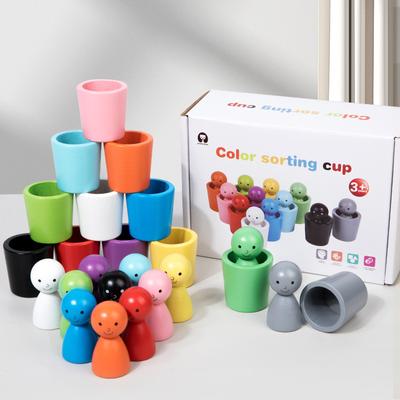
Tiny Tots Teens Trends Montessori Educational Toy, Wooden Color Cups, Sorting Cognition Game For Early Learning Montessori Educational Toy, Wooden Color Cups, Sorting Cognition Game For Early LearningIntroduce your child to the world of learning with the Montessori Wooden Toy Color Cups. Designed to enhance early cognitive development, this engaging matching sorting cognition game training toy provides hours of educational fun. Perfect for young...59,97 $*Shipping: 0,00 $Secure redirect to the provider
-
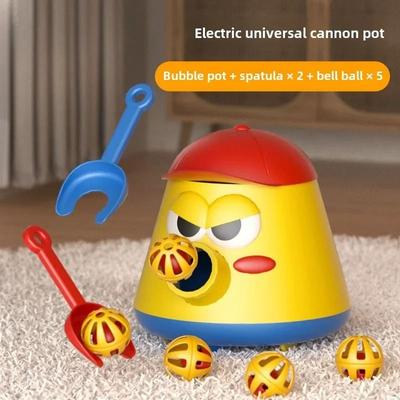
Uplift Picks Montessori Bell Learning Toy DIY Cognition Training Game For Kids bubble PotSpark curiosity and hands on discovery with this engaging Montessori bell learning toy designed to make learning playful and interactive. This fun educational cognition training game encourages children to match, identify, and respond to sound and...59,48 $*Shipping: 0,00 $Secure redirect to the provider
-
RLF Home Tradition Provance Valance"Fits Windows up to 50""W. Use multiples for Wider Windows. Decorator's quality fabrics. Fully lined with Poly/Cotton Ivory lining. Use a 2-1/2"" Continental Rod, a regular 3/4"" Curtain rod, Tension rod or Decorative pole no more than 1-3/8"" Diameter."64,49 $*Shipping: 0,00 $Secure redirect to the provider
-
Les Jardins LED path light Tradition Sensor Corten 90cm Tradition, dimmable, Brown / rust, Aluminium, Modern, outdoor solar lightsThe LED path light Tradition made of aluminum shows a modern cuboid shape and rust-brown corten steel finish. It can be operated autonomously thanks to equipment with solar module, rechargeable battery and motion sensor.- equipped with dimming function- operating time when fully charged: 5 h to 200 h (depending on light output)- protection class: IP66- alternatively rechargeable via USB connection- via ground spike (included) or permanently installable398,43 £*Shipping: 4,99 £Secure redirect to the provider
-
Can stackable stones promote cognition?
Stackable stones can potentially promote cognition by engaging the brain in problem-solving tasks, improving spatial awareness, and enhancing hand-eye coordination. The act of stacking stones requires focus, concentration, and planning, which can help stimulate cognitive functions. Additionally, the tactile experience of handling the stones can provide sensory feedback that may benefit cognitive development. Overall, incorporating stackable stones into activities or games can be a fun and beneficial way to support cognitive skills. **
-
Can stepping stones promote cognition?
Yes, stepping stones can promote cognition by engaging both the body and mind. When individuals navigate through stepping stones, they are required to plan their movements, make decisions, and coordinate their actions, which can help improve cognitive functions such as problem-solving, spatial awareness, and memory. Additionally, stepping stones can provide sensory stimulation and feedback, further enhancing cognitive development. Overall, incorporating stepping stones into activities or environments can be a fun and effective way to promote cognitive skills. **
-
What is Immanuel Kant's theory on human cognition?
Immanuel Kant's theory on human cognition is based on the idea that our knowledge of the world is not solely derived from sensory experience, but is also shaped by the mind's innate structures and categories. He argued that the mind actively organizes and interprets sensory input through concepts such as space, time, and causality. Kant believed that these innate structures, which he called "a priori" categories, are necessary for us to make sense of the world and form coherent knowledge. This theory of cognition is central to Kant's philosophy and has had a significant influence on the development of modern psychology and cognitive science. **
-
'By which impulses is cognition promoted in kindergarten?'
Cognition is promoted in kindergarten through various impulses such as sensory experiences, hands-on activities, and social interactions. Sensory experiences, such as exploring different textures and materials, help children develop their cognitive abilities by engaging their senses and making connections between their experiences and the world around them. Hands-on activities, such as puzzles, building blocks, and art projects, encourage children to use their problem-solving skills and think critically. Social interactions with peers and teachers also promote cognition by providing opportunities for children to communicate, collaborate, and learn from each other. Overall, these impulses help to stimulate children's cognitive development and lay the foundation for future learning. **
Similar search terms for Cognition
-
Linery & Co. Heritage Floral Quilt Set with ShamsA bold, hand-drawn floral in earthy terracotta, sage, and plum brings warm, vintage-inspired beauty to your bedroom. A delicate block print reverse adds charming contrast. Rich in character and timeless in style39,99 $*Shipping: 0,00 $Secure redirect to the provider
-
NCAA School Tradition Silk Touch Throw Blanket"Wrap yourself in the essence of team spirit with our NCAA ""School Tradition"" Silky Soft Silk Touch Blanket. Crafted from 100% polyester, this blanket offers a luxurious and smooth touch that's ideal for showcasing your unwavering loyalty."41,49 $*Shipping: 0,00 $Secure redirect to the provider
-
Uplift Picks Montessori Bell Learning Toy DIY Cognition Training Game For Kids vacuum CleanerSpark curiosity and hands on discovery with this engaging Montessori bell learning toy designed to make learning playful and interactive. This fun educational cognition training game encourages children to match, identify, and respond to sound and...52,48 $*Shipping: 0,00 $Secure redirect to the provider
-
NCAA School Tradition Silk Touch Throw Blanket"Wrap yourself in the essence of team spirit with our NCAA ""School Tradition"" Silky Soft Silk Touch Blanket. Crafted from 100% polyester, this blanket offers a luxurious and smooth touch that's ideal for showcasing your unwavering loyalty."41,49 $*Shipping: 0,00 $Secure redirect to the provider
-
How can one forget culture and heritage?
One can forget culture and heritage by not actively engaging with it, by being disconnected from one's roots and community, and by prioritizing other aspects of life over preserving and celebrating one's cultural identity. This can happen through assimilation into a different culture, lack of exposure to one's own cultural traditions and practices, and a lack of interest in learning about one's heritage. Additionally, societal pressures and discrimination can also contribute to the erasure of one's culture and heritage. **
-
What is the difference between culture and tradition?
Culture refers to the beliefs, customs, arts, and social behaviors of a particular group of people, encompassing a broader range of practices and values. On the other hand, tradition specifically refers to the customs and practices that are passed down from generation to generation within a specific community or society. While culture is more dynamic and can evolve over time, traditions tend to be more static and rooted in history and heritage. **
-
What does Cuban cuisine and eating culture look like?
Cuban cuisine is a fusion of Spanish, African, and Caribbean influences, resulting in a diverse and flavorful culinary tradition. Common ingredients include rice, beans, plantains, and various meats such as pork and chicken. Popular dishes include ropa vieja (shredded beef), arroz con pollo (chicken with rice), and lechón asado (roast pork). Eating culture in Cuba is centered around family and community, with meals often being a social and communal experience. It is common for Cubans to share meals with extended family and friends, and food is an important part of social gatherings and celebrations. **
-
What is the meaning of tradition, culture, and identity?
Tradition refers to the customs, beliefs, and practices that are passed down from generation to generation within a community or society. Culture encompasses the shared values, beliefs, and behaviors of a particular group of people, including their language, art, music, and social norms. Identity is the sense of self and belonging that is shaped by one's cultural background, traditions, and experiences. Together, tradition, culture, and identity form the foundation of a person's sense of belonging and connection to their community and heritage. **
* All prices are inclusive of VAT and, if applicable, plus shipping costs. The offer information is based on the details provided by the respective shop and is updated through automated processes. Real-time updates do not occur, so deviations can occur in individual cases. ** Note: Parts of this content were created by AI.