Buy indi.co.uk ?
We are moving the project
indi.co.uk .
Are you interested in purchasing the domain
indi.co.uk ?
domain@kv-gmbh.de · 0541-91531010
Buy indi.co.uk ?
What does the proverb "Es gibt nichts, was es nicht gibt" mean?
The proverb "Es gibt nichts, was es nicht gibt" translates to "There is nothing that does not exist" in English. This proverb conveys the idea that in the vastness of the world, there is a wide variety of things and experiences, and that almost anything is possible. It suggests that one should not be surprised by the diversity and unpredictability of life. **
What are alternative expressions for "es gibt"?
Some alternative expressions for "es gibt" in German include "da ist/sind," "man findet," "es existiert," and "es steht zur Verfügung." These phrases can be used to convey the idea of "there is/are" or "there exists" in different contexts. It's important to choose the expression that best fits the specific situation and tone of the sentence. **


Similar search terms for Gibt
Top-Angebote
Products related to Gibt:
-
Novica Handmade Tradition Of The Heart Basalt BowlPrepare herbs, spices and sauces the way our ancestors did--with handmade stone tools. The Comonfort Group presents this heart-shaped basalt bowl, crafted by hand in a labor-intensive process.132,98 $*Shipping: 0,00 $Secure redirect to the provider
-
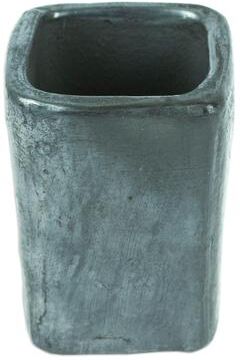
Novida Novica Handmade Festive Tradition Barro Negro Shot GlassMexico's Fernando and Magali Pedro craft a unique creation from traditional barro negro ceramic. After a long and detailed process, this high-quality shot glass is ready to be that elegant item you need for your parties.28,48 $*Shipping: 0,00 $Secure redirect to the provider



-
What does the saying "Der Klügere gibt nach" mean?
The saying "Der Klügere gibt nach" is a German proverb that translates to "The wiser one gives in" in English. It implies that in a conflict or disagreement, the smarter or more rational person should be the one to compromise or yield in order to avoid further escalation or harm. It emphasizes the importance of being diplomatic, understanding, and willing to find a peaceful resolution rather than insisting on being right or getting one's way at all costs. **
-
What is the correct sentence: "Der Klügere gibt nach."
The correct sentence is "Der Klügere gibt nach." This is a German proverb that translates to "The wiser gives in" or "The smarter one gives way." It is used to convey the idea that it is wise to yield or compromise in a conflict or disagreement. **
-
What does the proverb "Der Klügere gibt nach" mean?
The proverb "Der Klügere gibt nach" means "the wiser one gives in" in English. It suggests that in a conflict or disagreement, the smarter or more rational person should be the one to compromise or yield in order to avoid further conflict. It emphasizes the importance of wisdom and rationality in resolving conflicts and promotes the idea of finding peaceful solutions through compromise. **
-
'Gibt oder gebt?' translates to 'Give or gives?' in English.
"Gibt" translates to "gives" and "gebt" translates to "give" in English. "Gibt" is used when referring to a singular subject, such as "he gives" or "she gives." "Gebt" is used when referring to a plural subject, such as "you all give" or "they give." So, "Gibt oder gebt?" translates to "Give or gives?" in English. **


What is the proverb that says "Der Klügere gibt nach"?
The proverb "Der Klügere gibt nach" is a German saying that translates to "The wiser one gives in." It is used to convey the idea that sometimes it is better to yield or compromise in a situation, especially when dealing with conflict or disagreement. The proverb emphasizes the importance of wisdom and understanding in resolving conflicts and finding peaceful solutions. **
What is the correct word order in the sentence "Es gibt"?
The correct word order in the sentence "Es gibt" is subject-verb. In this case, "Es" is the subject and "gibt" is the verb. This sentence structure is commonly used in German to indicate the existence of something. **
Top-Angebote
Products related to Gibt:
-
RLF Home Tradition Provance Valance"Fits Windows up to 50""W. Use multiples for Wider Windows. Decorator's quality fabrics. Fully lined with Poly/Cotton Ivory lining. Use a 2-1/2"" Continental Rod, a regular 3/4"" Curtain rod, Tension rod or Decorative pole no more than 1-3/8"" Diameter."64,49 $*Shipping: 0,00 $Secure redirect to the provider
-
Les Jardins LED path light Tradition Sensor Corten 90cm Tradition, dimmable, Brown / rust, Aluminium, Modern, outdoor solar lightsThe LED path light Tradition made of aluminum shows a modern cuboid shape and rust-brown corten steel finish. It can be operated autonomously thanks to equipment with solar module, rechargeable battery and motion sensor.- equipped with dimming function- operating time when fully charged: 5 h to 200 h (depending on light output)- protection class: IP66- alternatively rechargeable via USB connection- via ground spike (included) or permanently installable398,43 £*Shipping: 4,99 £Secure redirect to the provider
-
Novica Handmade Tradition Of The Heart Basalt BowlPrepare herbs, spices and sauces the way our ancestors did--with handmade stone tools. The Comonfort Group presents this heart-shaped basalt bowl, crafted by hand in a labor-intensive process.132,98 $*Shipping: 0,00 $Secure redirect to the provider
-
What does the proverb "Es gibt nichts, was es nicht gibt" mean?
The proverb "Es gibt nichts, was es nicht gibt" translates to "There is nothing that does not exist" in English. This proverb conveys the idea that in the vastness of the world, there is a wide variety of things and experiences, and that almost anything is possible. It suggests that one should not be surprised by the diversity and unpredictability of life. **
-
What are alternative expressions for "es gibt"?
Some alternative expressions for "es gibt" in German include "da ist/sind," "man findet," "es existiert," and "es steht zur Verfügung." These phrases can be used to convey the idea of "there is/are" or "there exists" in different contexts. It's important to choose the expression that best fits the specific situation and tone of the sentence. **
-
What does the saying "Der Klügere gibt nach" mean?
The saying "Der Klügere gibt nach" is a German proverb that translates to "The wiser one gives in" in English. It implies that in a conflict or disagreement, the smarter or more rational person should be the one to compromise or yield in order to avoid further escalation or harm. It emphasizes the importance of being diplomatic, understanding, and willing to find a peaceful resolution rather than insisting on being right or getting one's way at all costs. **
-
What is the correct sentence: "Der Klügere gibt nach."
The correct sentence is "Der Klügere gibt nach." This is a German proverb that translates to "The wiser gives in" or "The smarter one gives way." It is used to convey the idea that it is wise to yield or compromise in a conflict or disagreement. **
Similar search terms for Gibt
-
Novida Novica Handmade Festive Tradition Barro Negro Shot GlassMexico's Fernando and Magali Pedro craft a unique creation from traditional barro negro ceramic. After a long and detailed process, this high-quality shot glass is ready to be that elegant item you need for your parties.28,48 $*Shipping: 0,00 $Secure redirect to the provider
-
Kid's Desert Badge Tradition T-Shirt in Smoked Pearl, Size: XS by AriatA mini version of Dad's favorite tee—he'll want to throw this one on more days than not. Soft yet durable, it can withstand hard play and frequent washes. Kid's Desert Badge Tradition T-Shirt in Smoked Pearl, Size: XS by Ariat22,95 $*Shipping: 0,00 $Secure redirect to the provider
-
What does the proverb "Der Klügere gibt nach" mean?
The proverb "Der Klügere gibt nach" means "the wiser one gives in" in English. It suggests that in a conflict or disagreement, the smarter or more rational person should be the one to compromise or yield in order to avoid further conflict. It emphasizes the importance of wisdom and rationality in resolving conflicts and promotes the idea of finding peaceful solutions through compromise. **
-
'Gibt oder gebt?' translates to 'Give or gives?' in English.
"Gibt" translates to "gives" and "gebt" translates to "give" in English. "Gibt" is used when referring to a singular subject, such as "he gives" or "she gives." "Gebt" is used when referring to a plural subject, such as "you all give" or "they give." So, "Gibt oder gebt?" translates to "Give or gives?" in English. **
-
What is the proverb that says "Der Klügere gibt nach"?
The proverb "Der Klügere gibt nach" is a German saying that translates to "The wiser one gives in." It is used to convey the idea that sometimes it is better to yield or compromise in a situation, especially when dealing with conflict or disagreement. The proverb emphasizes the importance of wisdom and understanding in resolving conflicts and finding peaceful solutions. **
-
What is the correct word order in the sentence "Es gibt"?
The correct word order in the sentence "Es gibt" is subject-verb. In this case, "Es" is the subject and "gibt" is the verb. This sentence structure is commonly used in German to indicate the existence of something. **
* All prices are inclusive of VAT and, if applicable, plus shipping costs. The offer information is based on the details provided by the respective shop and is updated through automated processes. Real-time updates do not occur, so deviations can occur in individual cases. ** Note: Parts of this content were created by AI.