Buy indi.co.uk ?
We are moving the project
indi.co.uk .
Are you interested in purchasing the domain
indi.co.uk ?
domain@kv-gmbh.de · 0541-91531010
Buy indi.co.uk ?
What is the centerpiece as a stylistic device?
The centerpiece is a stylistic device used in writing and speaking to highlight a central idea or theme. It is often the focal point of the piece, drawing attention and emphasizing its importance. The centerpiece can be a key argument, a significant event, or a powerful image that serves to anchor and unify the overall message of the work. By using a centerpiece, writers and speakers can effectively convey their main point and engage their audience. **
How can one forget culture and heritage?
One can forget culture and heritage by not actively engaging with it, by being disconnected from one's roots and community, and by prioritizing other aspects of life over preserving and celebrating one's cultural identity. This can happen through assimilation into a different culture, lack of exposure to one's own cultural traditions and practices, and a lack of interest in learning about one's heritage. Additionally, societal pressures and discrimination can also contribute to the erasure of one's culture and heritage. **


Similar search terms for Centerpiece
Top-Angebote
Products related to Centerpiece:
-
Uplift Treasures Snowman Acrylic Christmas Wreath Centerpiece Snowman Acrylic Christmas Wreath CenterpieceProduct Description Add festive charm to your holiday dcor with this snowman acrylic Christmas wreath centerpiece. Featuring a clear round design with a cheerful snowman motif, its perfect for decorating doors, walls, or wreaths. Lightweight and...50,97 $*Shipping: 0,00 $Secure redirect to the provider
-
Uttermost Kinsale Moss CenterpieceUttermost's accessories combine premium quality materials with unique high-style design. With the advanced product engineering and packaging reinforcement, Uttermost maintains some of the lowest damage rates in the industry.492,00 $*Shipping: 0,00 $Secure redirect to the provider
-
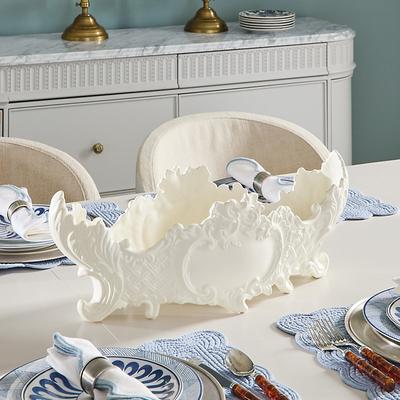
Baroque Centerpiece - Ballard DesignsOur Baroque Centerpiece was inspired by the highly ornate decorative style so popular throughout Europe in the 17th and early 18th centuries. Beautiful filled with lemons or dried florals, this elegant vessel was handmade exclusively for us in the...183,20 $*Shipping: 24,95 $Secure redirect to the provider
-
Uttermost Spring Blooms CenterpieceVibrant Spring Blooms Of Petite Cherry Blossoms In Ivory And Blush Tones Create A Lush Centerpiece, Arranged In A Glass Pedestal Vase With Faux Water. Uttermost's Botanicals Combine Premium Quality Materials With Unique High-style Design.568,80 $*Shipping: 0,00 $Secure redirect to the provider



-
What is the difference between culture and tradition?
Culture refers to the beliefs, customs, arts, and social behaviors of a particular group of people, encompassing a broader range of practices and values. On the other hand, tradition specifically refers to the customs and practices that are passed down from generation to generation within a specific community or society. While culture is more dynamic and can evolve over time, traditions tend to be more static and rooted in history and heritage. **
-
What does Cuban cuisine and eating culture look like?
Cuban cuisine is a fusion of Spanish, African, and Caribbean influences, resulting in a diverse and flavorful culinary tradition. Common ingredients include rice, beans, plantains, and various meats such as pork and chicken. Popular dishes include ropa vieja (shredded beef), arroz con pollo (chicken with rice), and lechón asado (roast pork). Eating culture in Cuba is centered around family and community, with meals often being a social and communal experience. It is common for Cubans to share meals with extended family and friends, and food is an important part of social gatherings and celebrations. **
-
What is the meaning of tradition, culture, and identity?
Tradition refers to the customs, beliefs, and practices that are passed down from generation to generation within a community or society. Culture encompasses the shared values, beliefs, and behaviors of a particular group of people, including their language, art, music, and social norms. Identity is the sense of self and belonging that is shaped by one's cultural background, traditions, and experiences. Together, tradition, culture, and identity form the foundation of a person's sense of belonging and connection to their community and heritage. **
-
Should the religious heritage and Christian tradition of Europe be more clearly included in the European constitutional treaty?
The inclusion of religious heritage and Christian tradition in the European constitutional treaty is a complex and sensitive issue. While Europe has a rich history of Christian influence, it is also a diverse and secular society. Therefore, any inclusion of religious heritage should be done in a way that respects the diversity of beliefs and values within Europe. It is important to strike a balance that acknowledges the historical significance of Christianity while also upholding the principles of secularism and religious freedom. Ultimately, the decision should be made through careful consideration and dialogue among the diverse communities and stakeholders in Europe. **


What kind of topic is related to the future, tradition, culture, homeland, economy, and Germany?
A topic related to the future, tradition, culture, homeland, economy, and Germany could be the impact of globalization on German culture and economy. This topic would explore how traditional German customs and values are being influenced by globalization, and how the country's economy is adapting to the changing global landscape. It would also consider the future implications for Germany's cultural identity and economic stability in the face of globalization. **
Is East Asian cuisine more varied than European cuisine?
Both East Asian and European cuisines are incredibly varied, with each region offering a wide range of flavors, ingredients, and cooking techniques. East Asian cuisine encompasses the diverse culinary traditions of countries such as China, Japan, Korea, and Thailand, each with its own unique dishes and flavors. Similarly, European cuisine is incredibly varied, with distinct culinary traditions in countries like Italy, France, Spain, and Greece. Ultimately, the variety of both East Asian and European cuisines is a result of the rich diversity of ingredients, cooking methods, and cultural influences found within each region. **
Top-Angebote
Products related to Centerpiece:
-
Uplift Treasures Snowman Acrylic Christmas Wreath Centerpiece Snowman Acrylic Christmas Wreath CenterpieceProduct Description Add festive charm to your holiday dcor with this snowman acrylic Christmas wreath centerpiece. Featuring a clear round design with a cheerful snowman motif, its perfect for decorating doors, walls, or wreaths. Lightweight and...50,97 $*Shipping: 0,00 $Secure redirect to the provider
-
Uttermost Kinsale Moss CenterpieceUttermost's accessories combine premium quality materials with unique high-style design. With the advanced product engineering and packaging reinforcement, Uttermost maintains some of the lowest damage rates in the industry.492,00 $*Shipping: 0,00 $Secure redirect to the provider
-
What is the centerpiece as a stylistic device?
The centerpiece is a stylistic device used in writing and speaking to highlight a central idea or theme. It is often the focal point of the piece, drawing attention and emphasizing its importance. The centerpiece can be a key argument, a significant event, or a powerful image that serves to anchor and unify the overall message of the work. By using a centerpiece, writers and speakers can effectively convey their main point and engage their audience. **
-
How can one forget culture and heritage?
One can forget culture and heritage by not actively engaging with it, by being disconnected from one's roots and community, and by prioritizing other aspects of life over preserving and celebrating one's cultural identity. This can happen through assimilation into a different culture, lack of exposure to one's own cultural traditions and practices, and a lack of interest in learning about one's heritage. Additionally, societal pressures and discrimination can also contribute to the erasure of one's culture and heritage. **
-
What is the difference between culture and tradition?
Culture refers to the beliefs, customs, arts, and social behaviors of a particular group of people, encompassing a broader range of practices and values. On the other hand, tradition specifically refers to the customs and practices that are passed down from generation to generation within a specific community or society. While culture is more dynamic and can evolve over time, traditions tend to be more static and rooted in history and heritage. **
-
What does Cuban cuisine and eating culture look like?
Cuban cuisine is a fusion of Spanish, African, and Caribbean influences, resulting in a diverse and flavorful culinary tradition. Common ingredients include rice, beans, plantains, and various meats such as pork and chicken. Popular dishes include ropa vieja (shredded beef), arroz con pollo (chicken with rice), and lechón asado (roast pork). Eating culture in Cuba is centered around family and community, with meals often being a social and communal experience. It is common for Cubans to share meals with extended family and friends, and food is an important part of social gatherings and celebrations. **
Similar search terms for Centerpiece
-
Baroque Centerpiece - Ballard DesignsOur Baroque Centerpiece was inspired by the highly ornate decorative style so popular throughout Europe in the 17th and early 18th centuries. Beautiful filled with lemons or dried florals, this elegant vessel was handmade exclusively for us in the...183,20 $*Shipping: 24,95 $Secure redirect to the provider
-
Uttermost Spring Blooms CenterpieceVibrant Spring Blooms Of Petite Cherry Blossoms In Ivory And Blush Tones Create A Lush Centerpiece, Arranged In A Glass Pedestal Vase With Faux Water. Uttermost's Botanicals Combine Premium Quality Materials With Unique High-style Design.568,80 $*Shipping: 0,00 $Secure redirect to the provider
-
Uttermost Elena Olive CenterpieceWith Its Realistic Deep Green Leaves And Delicately Hued Olives, This Botanical Captures The Essence Of The Mediterranean Landscape. Paired With An Off-white Sculptural Vase Displaying An Organic Etched Texture.643,20 $*Shipping: 0,00 $Secure redirect to the provider
-
What is the meaning of tradition, culture, and identity?
Tradition refers to the customs, beliefs, and practices that are passed down from generation to generation within a community or society. Culture encompasses the shared values, beliefs, and behaviors of a particular group of people, including their language, art, music, and social norms. Identity is the sense of self and belonging that is shaped by one's cultural background, traditions, and experiences. Together, tradition, culture, and identity form the foundation of a person's sense of belonging and connection to their community and heritage. **
-
Should the religious heritage and Christian tradition of Europe be more clearly included in the European constitutional treaty?
The inclusion of religious heritage and Christian tradition in the European constitutional treaty is a complex and sensitive issue. While Europe has a rich history of Christian influence, it is also a diverse and secular society. Therefore, any inclusion of religious heritage should be done in a way that respects the diversity of beliefs and values within Europe. It is important to strike a balance that acknowledges the historical significance of Christianity while also upholding the principles of secularism and religious freedom. Ultimately, the decision should be made through careful consideration and dialogue among the diverse communities and stakeholders in Europe. **
-
What kind of topic is related to the future, tradition, culture, homeland, economy, and Germany?
A topic related to the future, tradition, culture, homeland, economy, and Germany could be the impact of globalization on German culture and economy. This topic would explore how traditional German customs and values are being influenced by globalization, and how the country's economy is adapting to the changing global landscape. It would also consider the future implications for Germany's cultural identity and economic stability in the face of globalization. **
-
Is East Asian cuisine more varied than European cuisine?
Both East Asian and European cuisines are incredibly varied, with each region offering a wide range of flavors, ingredients, and cooking techniques. East Asian cuisine encompasses the diverse culinary traditions of countries such as China, Japan, Korea, and Thailand, each with its own unique dishes and flavors. Similarly, European cuisine is incredibly varied, with distinct culinary traditions in countries like Italy, France, Spain, and Greece. Ultimately, the variety of both East Asian and European cuisines is a result of the rich diversity of ingredients, cooking methods, and cultural influences found within each region. **
* All prices are inclusive of VAT and, if applicable, plus shipping costs. The offer information is based on the details provided by the respective shop and is updated through automated processes. Real-time updates do not occur, so deviations can occur in individual cases. ** Note: Parts of this content were created by AI.